Pranayama, the ancient yogic science of breath control, has several subtle yet transformative techniques. Among the lesser-known but profoundly powerful ones is Murcha Pranayama, also known as the “fainting breath” or “swooning breath.” This practice isn’t about losing consciousness in the literal sense, but rather entering a deep, trance-like state that suspends mental chatter and cultivates inner stillness.
This blog will explore what Murcha Pranayama is, how to practice it correctly, its spiritual and physiological benefits, and precautions to follow, ensuring you approach this advanced practice with deep respect and safety.
The Meaning Behind “Murcha”
The Sanskrit term Mūrcchā (मूर्छा) comes from the root word “murch,” which means “to swoon” or “become senseless.” In yogic context, however, this doesn’t mean actual unconsciousness. Rather, it implies a state of suspended outer awareness, where the practitioner goes into a deep meditative absorption (samadhi).
This subtle state is achieved by combining breath retention and chin lock (Jalandhara Bandha) to restrict energy flow and create a sense of mental transcendence.
Origins and Significance in Yogic Texts
The Hatha Yoga Pradipika (Chapter 2, Verse 74) explains Murcha Pranayama as a technique that leads to inner bliss and temporary withdrawal from sensory experiences. The Gheranda Samhita also refers to it as a method that brings about “divine intoxication” (divya mada).
These ancient texts classify it as an advanced pranayama, requiring deep awareness and prior mastery of foundational breathing practices like Nadi Shodhana, Kapalabhati, and Anulom Vilom.
How Murcha Pranayama Works
Murcha Pranayama works on both physiological and energetic levels:
- Physiological Mechanism: The practice involves prolonged breath retention (Antar Kumbhaka), which leads to a temporary increase in carbon dioxide levels and slight oxygen deprivation, creating a sensation of light-headedness and calm. This shifts awareness inward.
- Energetic Mechanism: Through Jalandhara Bandha (throat lock) and pranic redirection, energy (prana) is drawn upwards to stimulate higher chakras, especially Ajna (third eye) and Sahasrara (crown).
This dual effect quiets the conscious mind and promotes a state of inner stillness, suitable for advanced meditative practices.
Step-by-Step Guide to Practice
Here’s how to practice Murcha Pranayama safely:
Preparation:
- Choose a calm, ventilated space.
- Sit in Padmasana or Siddhasana with spine erect.
- Keep your eyes closed and relax the body.
Steps:
- Inhale slowly and deeply through the nose, filling the lungs.
- Hold the breath (Antar Kumbhaka).
- Lower your head slightly and apply Jalandhara Bandha (chin lock).
- Retain the breath as long as comfortable without strain.
- When ready, release the bandha, lift the head, and exhale slowly.
- Sit quietly and observe the sensations before repeating.
Repetitions:
- Start with 3–5 rounds, gradually increasing based on comfort and practice.
- Always end the session with a few minutes of deep, relaxed breathing or meditation.
Preparatory Practices Before Murcha
Because it’s an advanced technique, it’s essential to prepare the body and mind:
- Nadi Shodhana (Alternate Nostril Breathing) – To purify energy channels.
- Ujjayi Pranayama – To deepen breath control.
- Jalandhara Bandha practice – To perfect the throat lock.
- Meditation – To train inward focus.
Without mastering these, attempting Murcha may lead to discomfort or dizziness.
Best Time and Place to Practice
- Time: Early morning (Brahma Muhurta) or after sunset when the mind is naturally calm.
- Place: Quiet, peaceful space free from disturbances, with proper air circulation.
- State: Always practice on an empty stomach, preferably 4-6 hours after a meal.
Physical and Mental Benefits of Murcha Pranayama
Physical Benefits:
- Enhances lung capacity and oxygen efficiency.
- Balances the nervous system and reduces blood pressure.
- Improves cardiac function and blood circulation.
- Deepens diaphragmatic strength through breath retention.
Mental Benefits:
- Induces a deep meditative state.
- Reduces anxiety, restlessness, and mental fatigue.
- Promotes clarity, intuition, and mental stillness.
- Awakens Ajna Chakra, facilitating spiritual growth.
Contraindications and Precautions
Murcha Pranayama is not suitable for everyone. Avoid this technique if you have:
- High or low blood pressure
- Heart disease or arrhythmia
- Epilepsy or seizures
- Respiratory disorders like asthma
- Dizziness or vertigo
- Pregnancy
Precautions:
- Never force breath retention.
- Always practice under the guidance of an experienced teacher.
- Avoid practicing in hot or poorly ventilated rooms.
- End the practice immediately if you feel faint or disoriented.
Common Mistakes to Avoid
- Holding breath too long without adequate preparation.
- Practicing on a full stomach.
- Improper or incomplete Jalandhara Bandha.
- Practicing without guidance or ignoring early warning signs like dizziness.
- Overdoing repetitions leads to fatigue or energy imbalance.
Consistency and moderation are key to safe progress.
Scientific Explanation and Breath Retention
Though Murcha is deeply rooted in spirituality, it has physiological explanations:
- Breath retention leads to mild hypoxia (low oxygen) and hypercapnia (increased CO₂).
- This changes cerebral blood flow, inducing calm and alpha-theta brainwave states.
- The autonomic nervous system shifts to parasympathetic dominance, reducing heart rate and inducing relaxation.
These effects mimic the meditative states seen in deep relaxation techniques and hypnosis.
Murcha and Spiritual Awakening
In yogic traditions, Murcha is considered a gateway to samadhi—a state of superconscious absorption. By reducing external sensory input, the practitioner merges with the inner self or atman. This technique supports:
- Detachment from ego and body identity
- Activation of higher chakras
- Expansion of consciousness
- Lucid awareness and divine intoxication
It’s often used by advanced practitioners during deep meditative states or before entering trance.
Integration into Your Yoga Practice
Murcha Pranayama should be incorporated only after a solid foundation in:
- Hatha Yoga asanas for physical flexibility
- Basic pranayama for breath control
- Bandhas and mudras for energetic mastery
- Dharana (concentration) and Dhyana (meditation) for mental stillness
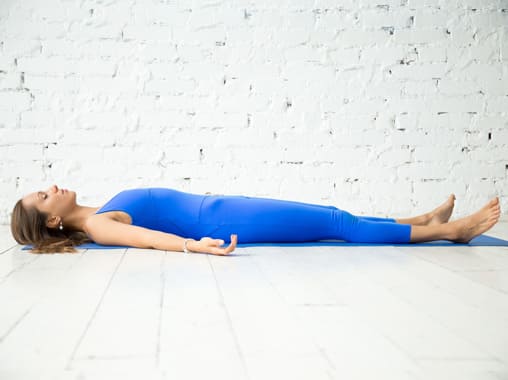
It’s best practiced at the end of your yoga session, followed by Savasana or silent meditation.
Conclusion
Murcha Pranayama, the yoga of swooning breath, is a gateway to a deeper, more profound inner world. While it may sound intimidating, when practiced with the right guidance and preparation, it becomes a beautiful doorway to transcend the limits of body and mind.
This ancient technique isn’t just about breath-it’s about tapping into altered states of consciousness, awakening spiritual potential, and releasing the grip of sensory distractions.But as powerful as it is, safety and awareness must be your constant companions. It is not for casual experimentation but a sacred practice meant for advanced yogis on the path of inner realization.
FAQs
1. Is Murcha Pranayama safe for beginners?
No, it is not recommended for beginners. Only those with prior experience in pranayama, especially breath retention techniques and bandhas, should attempt Murcha under expert guidance.
2. How long should I retain my breath during Murcha Pranayama?
Breath retention time varies from person to person. Start with 10–15 seconds and gradually build up. Never push beyond your comfort level.
3. What should I do if I feel dizzy while practicing?
Immediately stop the practice, sit or lie down, and take deep, relaxed breaths. Dizziness indicates over-retention or lack of preparation.
4. Can I practice Murcha every day?
Yes, but only if you have been properly trained and feel physically and mentally ready. Even then, limit to a few rounds per day.
5. Does Murcha Pranayama help in spiritual growth?
Yes, Murcha is known to aid in spiritual development by activating the higher chakras, reducing ego awareness, and fostering states of deep meditation and bliss.