
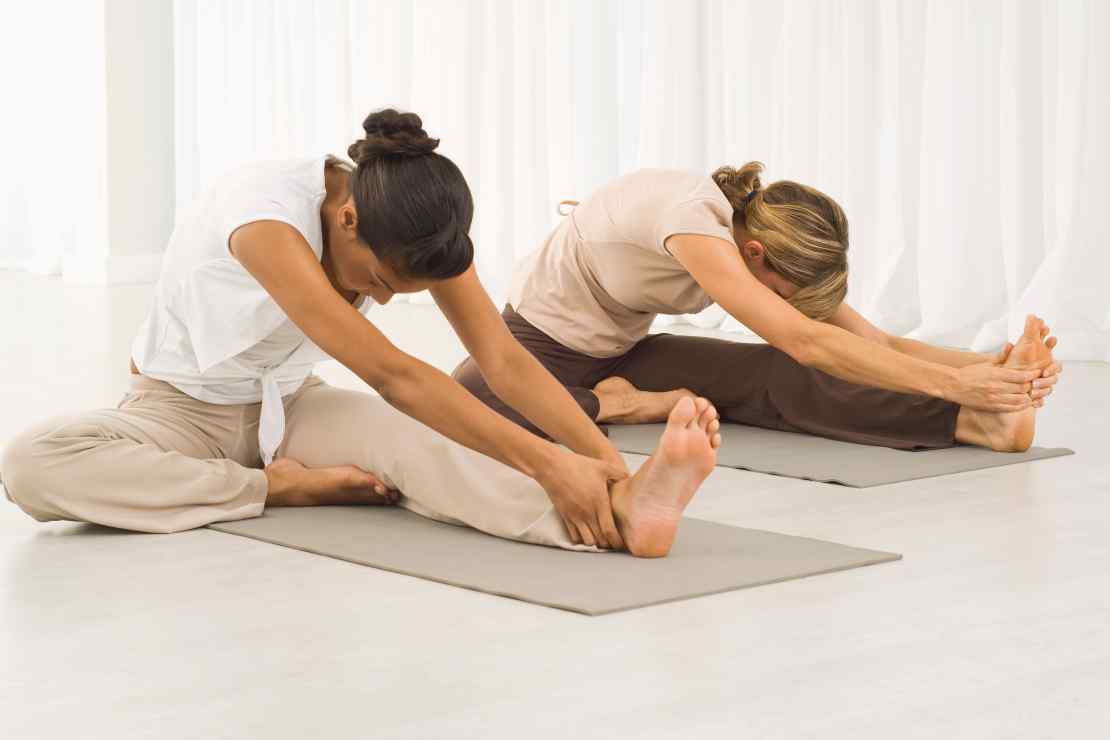
Yoga is often associated with flexibility, deep stretches, and graceful poses. For many people, this is exactly what draws them to the practice. However, for individuals with hypermobility, yoga can be both a gift and a challenge. Yoga and Hypermobility require a thoughtful, balanced approach-one that emphasizes stability, strength, and awareness rather than simply going deeper into a pose.
At Alakh Yog, we believe yoga is not about pushing your body to its limits, but about understanding it. This guide explores how people with hypermobility can practice yoga safely, sustainably, and with confidence-finding balance between flexibility and strength.
Understanding Hypermobility
Hypermobility refers to joints that move beyond the typical range of motion. Some people are naturally flexible, while others experience joint instability, discomfort, or even pain due to excessive mobility. Hypermobility may affect a few joints or the entire body, and symptoms can range from mild to more pronounced.
People with hypermobility often appear “good at yoga” because they can easily move into deep stretches. But this apparent advantage can mask a deeper issue: a lack of joint stability and muscular support. This is why Yoga and Hypermobility must be approached with awareness and intention.
Why Yoga Needs to Be Modified for Hypermobility
Traditional yoga classes often encourage “opening,” “lengthening,” and “going deeper.” For hypermobile practitioners, this mindset can lead to:
- Overstretching ligaments and tendons
- Joint compression or instability
- Fatigue from overusing stabilizing muscles
- Increased risk of injury
The goal of yoga for hypermobility is not to increase flexibility—it is to build strength, control, and proprioception (body awareness). When practiced correctly, yoga can be a powerful tool for managing hypermobility and supporting long-term joint health.
Benefits of Yoga and Hypermobility When Practiced Mindfully
When adapted correctly, Yoga and Hypermobility can work beautifully together. Some key benefits include:
- Improved Joint Stability – Slow, controlled movements and strength-based poses help activate the muscles that support hypermobile joints.
- Enhanced Body Awareness- Yoga encourages mindful movement, helping you recognize when you are pushing too far or relying on joint range instead of muscular engagement.
- Better Posture and Alignment – Hypermobility often affects posture. Yoga helps retrain alignment and balance, reducing unnecessary strain on joints.
- Nervous System Regulation- Many hypermobile individuals experience heightened nervous system sensitivity. Gentle yoga and breathwork calm the system and reduce tension.
- Sustainable Movement Practice – Yoga becomes a lifelong support system rather than a source of injury when practiced with balance and restraint.
Key Principles for Yoga and Hypermobility
- Focus on Stability Over Depth – Instead of moving to your maximum range, aim for about 60-70% of your flexibility. This allows muscles-not ligaments-to do the work.
- Engage, Don’t Hang – Avoid “hanging” into joints, especially in poses like Downward Dog, Triangle, or backbends. Maintain active muscle engagement at all times.
- Slow Down Transitions – Moving slowly between poses builds control and reduces the risk of joint strain.
- Use Props Without Hesitation – Blocks, straps, bolsters, and walls provide essential feedback and support. Props are not a sign of weakness-they are tools for intelligent practice.
- Prioritize Strength-Building – Strong muscles are essential for hypermobile bodies. Choose poses that build strength rather than increase range.
Yoga Poses That Support Hypermobility
Here are examples of pose categories that are generally helpful when practiced mindfully:
Standing Strength Poses
- Warrior variations with micro-bends in the knees
- Chair Pose with core engagement
- Mountain Pose, focusing on alignment
Core Stability Poses
- Plank (with knees down if needed)
- Side Plank (short holds)
- Dead Bug–style yoga movements
Balance Poses
- Tree Pose with controlled engagement
- Warrior III using a wall for support
Restorative and Breath-Based Practices
- Supported Child’s Pose
- Legs Up the Wall
- Gentle pranayama and guided relaxation
These poses emphasize control, grounding, and strength-essential components of Yoga and Hypermobility.
Poses to Approach With Caution
Some poses are not “bad,” but they require extra awareness for hypermobile practitioners:
- Deep backbends
- Extreme hip openers
- Long-held passive stretches
- Locking elbows or knees in weight-bearing poses
Rather than avoiding these entirely, the key is modification, shorter holds, and active engagement.
The Role of Breath in Yoga and Hypermobility
Breath is a powerful stabilizing force. Smooth, steady breathing helps regulate the nervous system and prevents overexertion. When practicing yoga with hypermobility:
- Use the breath to slow down movements
- Avoid forcing stretches on inhales
- Focus on even, calm exhalations
Breath awareness keeps the practice grounded and safe.
Mental and Emotional Aspects of Hypermobility
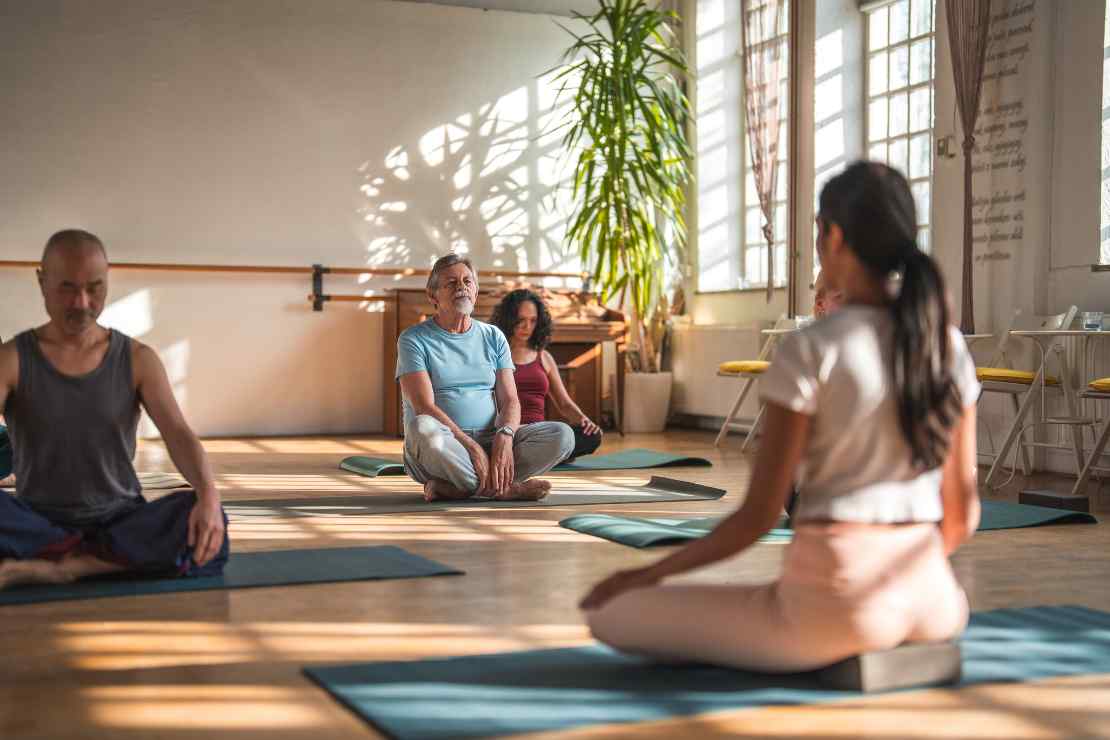
Hypermobility is not just physical-it often affects emotional well-being. Frustration, comparison, and fear of injury are common. Yoga offers a space to:
- Let go of comparison
- Build trust in your body
- Develop patience and self-compassion
At Alakh Yog, we encourage a mindset shift: yoga is not about how far you go, but how well you listen.
Creating a Sustainable Yoga Practice
For long-term success with Yoga and Hypermobility, consistency matters more than intensity. A sustainable practice includes:
- Short, regular sessions
- Strength-focused sequencing
- Adequate rest and recovery
- Guidance from knowledgeable teachers
Online or in-person classes that understand hypermobility can make a significant difference in your experience.
Yoga and Hypermobility at Alakh Yog
At www.alakhyog.com, we approach yoga as a personalized, intelligent practice. Our philosophy supports:
- Safe alignment
- Strength-based movement
- Nervous system awareness
- Long-term joint health
Whether you are newly discovering your hypermobility or have lived with it for years, yoga can become a supportive ally rather than a risk.
Final Thoughts
Yoga and Hypermobility are not about restriction-they are about balance. When flexibility is matched with strength, awareness, and breath, yoga becomes a powerful practice for healing and self-discovery. By honoring your body’s unique needs, you can build a yoga practice that is safe, empowering, and sustainable.
Explore mindful movement with us at Alakh Yog, where balance is the true foundation of yoga.
FAQs
1. Is yoga safe for people with hypermobility?
Yes, yoga can be safe and highly beneficial for hypermobility when practiced mindfully. The focus should be on strength, stability, and controlled movement rather than deep stretching.
2. Should hypermobile people avoid flexibility-focused yoga?
Not necessarily, but flexibility should not be the primary goal. Hypermobility already involves excess range of motion, so strength-based and alignment-focused yoga styles are usually more suitable.
3. How often should someone with hypermobility practice yoga?
Consistency matters more than duration. Practicing 3-5 times a week with shorter, well-structured sessions is often more effective than infrequent long classes.
4. Can yoga help reduce pain related to hypermobility?
Yes, when practiced correctly, yoga can improve muscle support, posture, and nervous system regulation, which may help reduce discomfort associated with hypermobility.
5. What is the biggest mistake in yoga and hypermobility?
The most common mistake is overextending joints because it feels easy. This can lead to instability and injury. Learning to work within a safe range is essential.