
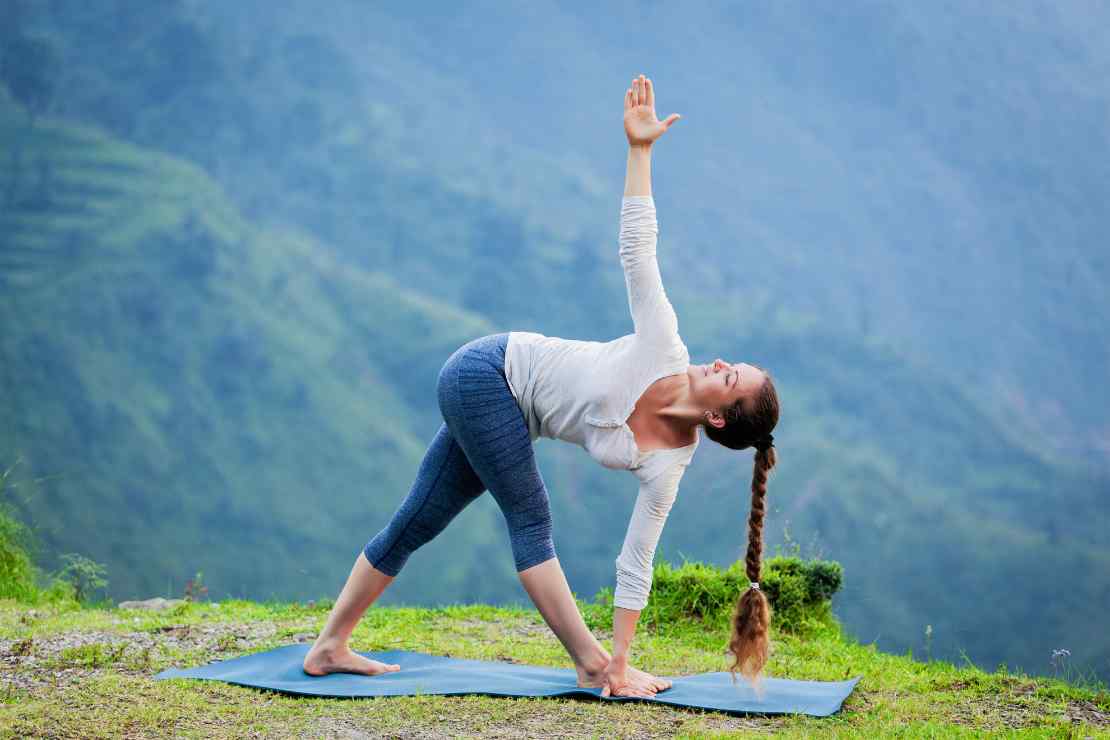
Yoga often conjures images of serene people bending into perfect poses atop misty mountaintops ,flexible, graceful, and spiritually enlightened. But what if you are someone who has never stepped on a yoga mat? What if just hearing the word “Namaste” makes you wonder, “Do I belong here?” This is where Yoga For Non-Yogis becomes more than just a catchphrase, it becomes an invitation.
The modern world is fast-paced, stressful, and deeply demanding. Yet amidst long work hours, endless notifications, and the perennial struggle to balance mental health, physical well-being, and personal peace, yoga appears both fascinating and intimidating. Many non-yogis assume that yoga is only for flexible, spiritually inclined individuals who live in wellness retreats. That, however, is a myth.
This guide on Yoga For Non-Yogis is written for people just like you,for beginners, skeptics, busy professionals, and anyone who believes yoga is not “their thing.” Throughout this article, we’ll explore what yoga really is, why it’s beneficial even for the most hesitant beginners, and how you can integrate yoga into your daily life without judgment, pressure, or perfectionism. Whether you call yourself a non-yogi or are simply curious about the practice, this resource is crafted to empower you.
What Does “Yoga For Non-Yogis” Really Mean?
When we talk about Yoga For Non-Yogis, we mean yoga practices and approaches designed specifically for people who:
- Do not identify as traditional yoga practitioners
- Have little or no experience with yoga
- May feel inflexible, uncoordinated, or unfit
- Associate yoga with spirituality, pressure, or fitness fads
- Want practical wellness benefits without a major lifestyle overhaul
In essence, yoga for non-yogis is not about perfect poses – it’s about accessible movement, mindful breathing, stress management, and self-care without intimidation.
Breaking the Misconceptions
Common myths about yoga include:
- Only flexible people can do yoga
- Yoga is too spiritual for skeptics
- You need special clothing or equipment
- It requires a bootcamp-like effort
These ideas often keep non-yogis from even trying. But the truth is simple: yoga is a mind-body practice rooted in flexibility, breath awareness, ease, and presence – and it can be gently adapted to your unique needs.
The Science Behind Why Yoga Works Even for Beginners
Yoga offers measurable physical and mental benefits – and this holds true especially for non-yogis whose lifestyles involve stress, sedentary patterns, or limited physical activity.
Physical Benefits
- Improves flexibility slowly and safely
- Strengthens muscles without load stress
- Enhances balance and posture
- Reduces pain caused by inactivity or poor posture
Mental & Emotional Benefits
- Reduces stress and anxiety
- Promotes mindful awareness
- Improves sleep patterns
- Offers a sense of calm and emotional regulation
These benefits are not just theoretical – scientific studies show positive outcomes for people across age groups, fitness levels, and health conditions.
How to Get Started with Yoga For Non-Yogis
Starting yoga does not require perfection, prior experience, or an advanced body. Here’s how non-yogis can begin with confidence.
Step 1: Accept Where You Are
Forget flexibility or athleticism. Acknowledge your body and begin exactly where you are. Yoga for non-yogis means meeting yourself with patience.
Step 2: Set Small, Achievable Goals
Instead of setting big goals like “master a headstand,” try:
- 5 minutes of morning stretches
- 3 deep breaths before work
- A short wind-down stretch before bed
These small habits build consistency and confidence.
Step 3: Choose the Right Environment
Comfort matters:
- Wear comfortable clothes
- Use a simple mat or soft surface
- Practice in a space where you feel calm
- Play quiet music if it helps your focus
Step 4: Start with Simple Movements
Begin with basic stretches, easy breathing, and gentle movements. For non-yogis, classic poses can be overwhelming – but modified versions make yoga welcoming and doable.
Beginner-Friendly Yoga Moves for Non-Yogis
Here are accessible practices that anyone can do:
1 Deep Breathing (Pranayama)
Focus on slow, controlled breaths:
- Inhale deeply through the nose
- Hold for 2 seconds
- Exhale gently through the mouth
This simple breathing technique reduces stress instantly – and is among the easiest forms of yoga for non-yogis.
2. Cat-Cow Stretch
Great for back mobility and spinal awareness:
- On hands and knees
- Arch the back like a cat
- Lower the belly and lift the gaze
- Repeat slowly for 10 breaths
3. Child’s Pose
A restful posture that releases tension:
- Kneel on the floor
- Sit your hips toward your heels
- Stretch arms forward or let them rest by your side
- Breathe deeply
This is a profound reminder that yoga isn’t always about strength – it’s about softness and ease.
4. Standing Forward Bend
Releases the hamstrings and back:
- Stand tall
- Gently bend forward
- Let arms dangle
- Bend knees if needed
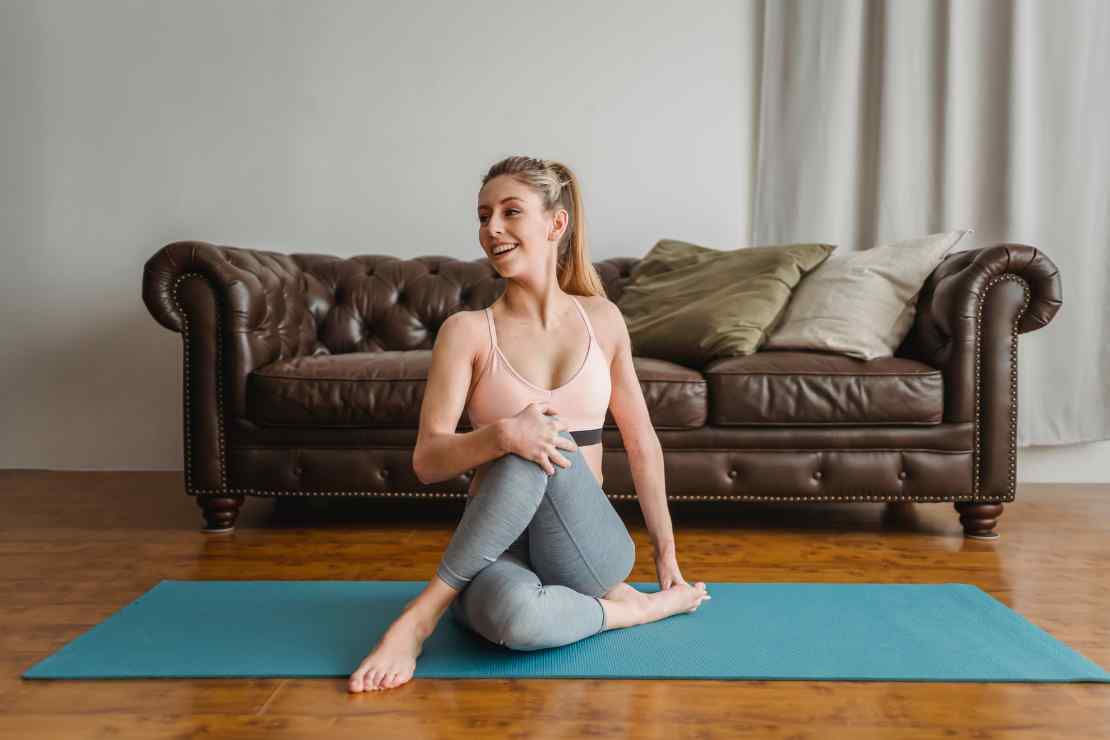
5. Seated Twist
Supports digestion and spinal mobility:
- Sit comfortably
- Twist gently to one side
- Breathe and repeat on the other side
These foundational moves are perfect for those new to yoga – adaptable and easy, they demonstrate how yoga for non-yogis doesn’t require advanced skill.
Common Barriers for Non-Yogis and How to Overcome Them
Even with basic instructions, non-yogis may feel discouraged. Here’s how to overcome common obstacles.
Barrier 1: “I’m Too Inflexible.”
Truth: Flexibility is developed over time. Everybody is unique. Focus on comfort, not comparison.
Barrier 2: “I’m Too Busy”.
Solution: Integrate micro-sessions (5–10 minutes) into your day. A short practice in the morning or evening builds momentum.
Barrier 3: “Yoga Feels Too Spiritual.”
You don’t need spiritual ideology to benefit. For non-yogis, yoga can be purely physical and stress-relieving – your intention defines your practice.
Barrier 4: “I Don’t Know the Terms.”
Yoga has a language of its own, but you don’t need to memorize Sanskrit. Focus on feeling – not jargon.
Barrier 5: “I Feel Self-Conscious.”
Yoga is personal. No one is judging you – especially beginners. Most people in classes are more focused on themselves than on anyone else.
How to Personalize Your Yoga Practice
If you’re a non-yogi, personalization is key. Your yoga practice must align with:
- Your physical limitations
- Your schedule
- Your preferences
- Your goals
For example:
- If stress relief matters most, focus on slow breathing and relaxation poses
- If mobility is your priority, focus on gentle stretches
- If you want energy, add a few dynamic movements
There’s no universal “perfect” yoga – there’s what works for you.
Yoga For Non-Yogis- Beyond the Mat
Yoga extends beyond postures:
- Mindful Breathing- Simple breath awareness can be practiced anywhere.
- Mindful Walking- Walk slowly and notice sensations.
- Desk Stretches – Even at work, you can bring yoga into your day.
- Meditation – Short pauses for mental clarity count as yoga practice.
Yoga becomes a lifestyle tool, not a weekend class obligation. This makes it especially valuable for non-yogis who want meaningful change without complexity.
Yoga For Non-Yogis at Home – A Practical Routine
Here’s a beginner-friendly routine that takes less than 20 minutes:
- Minute 1-3: Centring & Breath- Sit comfortably or stand.
Focus on slow, deep breaths. - Minute 4-6: Neck & Shoulder Rolls- Relax tension in the upper body.
- Minute 7-9: Cat-Cow Stretch- Mobilize your spine.
- Minute 10-12: Forward Fold – Release hamstrings and lower back.
- Minute 13-15: Seated Twist & Relax – Feel grounded and calm.
This routine, designed for non-yogis, promotes well-being without intimidation. You can increase the time gradually.
How to Stay Motivated as a Non-Yogi
Maintaining any wellness habit requires motivation. Here are strategies especially helpful for non-yogis:
- 1. Track Progress (Gently)- Note how you feel, not how far you can stretch.
- 2. Create a Habit Chain – Practice yoga after a daily ritual (like morning coffee).
- 3. Celebrate Small Wins- Did you breathe deeply for 5 minutes? That’s progress!
- 4. Remove Pressure- There’s no competition in yoga for non-yogis, only self-care.
Yoga Etiquette & Tips for Beginners
If you join a class, here’s what helps:
- Arrive early
- Wear comfortable clothes
- Inform the teacher that you are a beginner
- Focus on your experience, not others
- Ask for modifications
Yoga for non-yogis should be inclusive and supportive, not competitive.
Online Vs. In-Person Yoga – What’s Best for Non-Yogis?
Both formats have benefits:
Online
- Practice at home
- Pause and repeat moves
- Less intimidating
In-Person
- Guidance from a teacher
- Social motivation
- Personalized adjustments
Choose based on comfort – not pressure.
Common Myths About Yoga For Non-Yogis (Debunked)
| Myth | Reality |
| You must be flexible | Flexibility develops over time |
| Yoga takes hours | Even 5 minutes matters |
| Yoga is purely spiritual | It can be secular and practical |
| You need fancy gear | You only need comfort and patience |
| Yoga is only for fit people | Everyone can adapt it |
These realities make yoga approachable and meaningful – especially for non-yogis.
How Yoga Complements Other Fitness Activities
Yoga is not a replacement for other workouts – it enhances them:
- Improves recovery
- Enhances mobility
- Reduces injury risk
- Calms the nervous system
Even athletes or gym-goers can benefit from yoga – proving that yoga for non-yogis includes people of all fitness levels.
The Psychological Shift: From “Can’t” to “Can”
Yoga’s greatest lesson for non-yogis is not about flexibility – it’s about self-acceptance. When you approach yoga with curiosity and patience, you learn to shift your inner dialogue from I can’t to I can try. That shift alone transforms your relationship with your body, stress, and daily challenges.
Conclusion
Yoga is often misunderstood as a practice reserved for the supremely flexible, spiritually evolved, or fitness-obsessed. But Yoga For Non-Yogis breaks that stereotype. It invites everyday people – beginners, skeptics, busy professionals, older adults, and anyone hesitant about yoga – to embrace movement, breath, and awareness without judgment or strain.
For non-yogis, yoga is less about acrobatic poses and more about physical comfort, mental clarity, and self-compassion. It’s about standing taller, breathing deeper, reducing stress, and showing up for yourself. This article has shown that:
- Yoga can be adapted for all bodies
- Beginners can start with simple movements
- Mindful breathing is a powerful tool
- Small daily habits create lasting benefits
- Yoga doesn’t require spirituality or strict rules
If you were once unsure whether yoga was “for you,” let this guide reassure you that it is. Yoga for non-yogis doesn’t demand perfection – it celebrates progress. Every breath, every stretch, every moment of presence counts.
So take a deep breath, roll out your mat (or not), and remember: Yoga For Non-Yogis isn’t a movement you master – it’s a practice you experience and make your own. Your journey begins with a single breath – and that’s enough.
FAQs
1. What is Yoga For Non-Yogis?
Yoga For Non-Yogis is a beginner-friendly approach to yoga that focuses on simple movement, mindful breathing, and stress relief-accessible to people with no prior yoga experience.
2. Do I need to be flexible?
No. Flexibility is not required. Yoga for non-yogis encourages gentle movement that increases comfort and mobility over time.
3. How often should non-yogis practice yoga?
Aim for short daily sessions of 5–15 minutes. Consistency matters more than duration for non-yogis.
4. Can yoga reduce stress?
Yes. Simple yoga breathing and gentle movement help calm the nervous system, improve focus, and reduce anxiety.
5 Is special equipment needed?
No. Comfortable clothing and a soft surface are enough. Yoga for non-yogis requires no special gear – just your willingness to try.