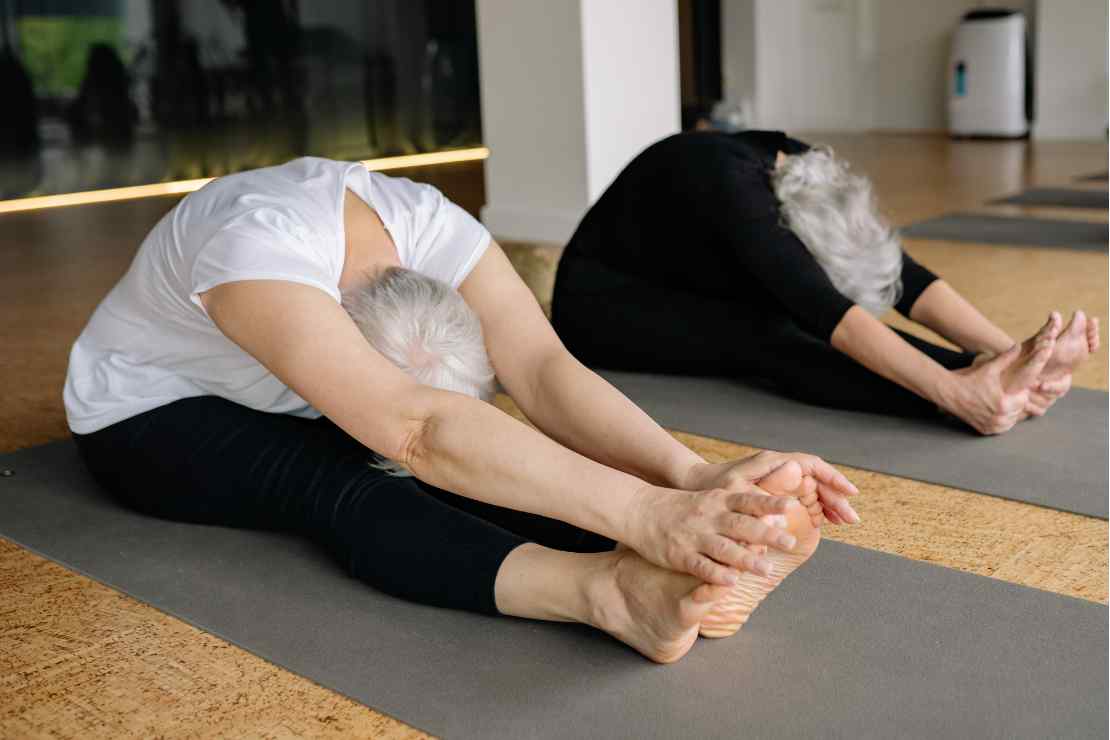
In a world where stress, rushing schedules, and digital overload reign, finding a mindful movement practice that rescues your body and soothes your mind has never been more important. Enter Vinyasa Yoga, a dynamic and fluid style of yoga that blends breath with motion, movement with mindfulness. Whether you’re stepping onto the mat for the first time or deepening an existing practice, Vinyasa Yoga offers a powerful pathway toward strength, flexibility, calm, and self-awareness.
What makes Vinyasa uniquely transformative is how it fuses traditional yoga principles with energetic transitions. You’re not merely holding static poses – you’re flowing through asanas in harmony with your breath. And with repeated practice, the Vinyasa Yoga benefit multiplies: from better posture and reduced anxiety to greater body awareness and improved cardiovascular health.
Throughout this comprehensive guide, we’ll explore what Vinyasa Yoga is, how it differs from other styles, its benefits, and how you can practice safely and confidently. By the end, you’ll be equipped with practical tips, detailed instructions, and motivation to make Vinyasa Yoga a fulfilling part of your life.
What Is Vinyasa Yoga?
At its heart, Vinyasa Yoga refers to a style of yoga that coordinates physical poses with breath, linking inhalations and exhalations to smooth, flowing movements. The term “vinyasa” comes from Sanskrit, where “vi” means “in a special way” and “nyasa” means “to place.” Therefore, Vinyasa Yoga can be understood as “placing breath with movement in a special way.”
Unlike slow, pose-by-pose practices such as Hatha Yoga, Vinyasa emphasizes transitions. Practitioners flow from one posture to the next with intention, creating a sequencing rhythm that feels almost like a movement meditation. Each class often includes sun salutations, balances, standing postures, seated stretches, and finishes with relaxation.
The Vinyasa Yoga benefit is unique because it integrates breath, movement, strength, and mindfulness into one holistic experience.
Why Choose Vinyasa Yoga?
People choose Vinyasa Yoga for many reasons – physical, emotional, mental, and even spiritual. Here are a few reasons why this style attracts practitioners from beginners to seasoned yogis:
1. Breath-Centered Practice
One of the biggest Vinyasa Yoga benefits is its emphasis on conscious breathing. The breath is the anchor that keeps the body and mind synchronized. Many practitioners find that this coordination fosters deeper awareness and calm, both on the mat and off.
2. Builds Strength and Flexibility
Compared to more meditative forms, Vinyasa Yoga builds muscular strength through continuous movement. Sun salutations, planks, and balancing poses engage core muscles while improving flexibility.
3. Cardiovascular Flow
With its faster pace and flowing transitions, Vinyasa Yoga elevates the heart rate more than slower styles. This makes it a great option for people who want both strength and endurance benefits.
4. Enhances Mind-Body Connection
Much like meditation in motion, Vinyasa invites practitioners to tune inward. The blending of breath and movement cultivates focus, presence, and awareness – a lasting Vinyasa Yoga benefit that extends beyond any single class.
Understanding the Philosophy Behind Vinyasa
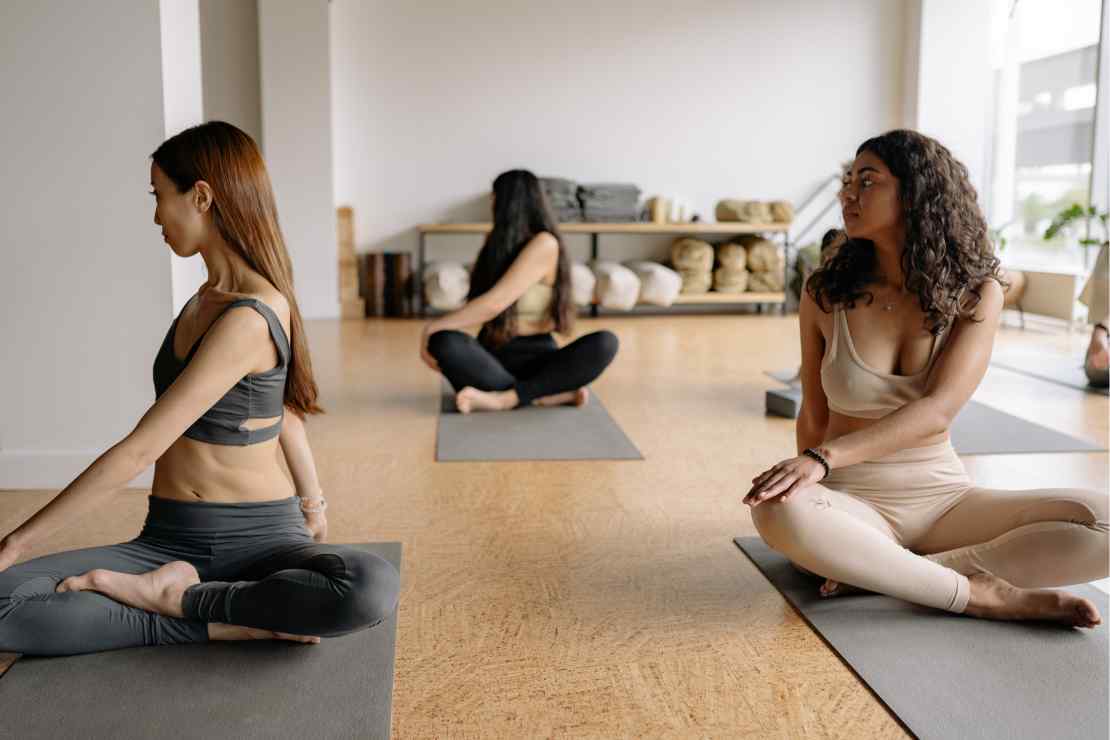
Although Vinyasa Yoga is physical, its roots are deeply philosophical. Many teachers incorporate elements of ancient yoga wisdom including:
- The Eight Limbs of Yoga: A foundational framework from the Yoga Sutras of Patanjali that includes ethical guidelines, breath work, posture, and meditation.
- Pranayama: Breath control techniques to regulate and deepen the breath.
- Mindfulness: Paying attention to sensations, emotions, and thoughts without judgment.
- Sankalpa: A personal intention set at the beginning of practice to cultivate clarity and purpose.
These philosophical undertones enhance the Vinyasa Yoga benefit by encouraging holistic well-being rather than just physical exercise.
The Key Elements of Vinyasa Yoga Practice
Each Vinyasa session typically includes several essential components:
1. Centering and Intention
A good class begins with centering, settling the mind, becoming aware of the breath, and often setting an intention. This moment primes the practitioner for mindful movement and is itself a powerful Vinyasa Yoga benefit.
2. Warm-Up Sequence
Warm-ups gently prepare the body for deeper stretching and movement. These might include gentle twists, hip openers, and shoulder mobility exercises to awaken the muscular system.
3. Sun Salutations
Sun Salutations (Surya Namaskar) are the backbone of most Vinyasa classes. These flowing sequences help warm the entire body while linking breath to movement, inhaling to reach, exhaling to fold.
4. Peak Poses
As the class progresses, sequences are structured to prepare the body for one or more peak postures, such as crow, headstand, or dancer’s pose. The thrill of achieving peak poses is one of the many motivational Vinyasa Yoga benefits.
5. Cool Down and Final Rest
Like any excellent workout, a Vinyasa Yoga session ends with a cool-down and final relaxation (Savasana). The cool down supports muscle recovery while Savasana allows the nervous system to integrate all the benefits of the practice.
Essential Breath Basics for Vinyasa Yoga
One of the best ways to deepen your Vinyasa Yoga practice is through mastering breath awareness. Breath is not just a supportive tool; it is the guiding force of the entire practice.
Ujjayi Breath (Ocean Breath)
Ujjayi breath is the most common breath technique used in Vinyasa. It involves slow, controlled breathing through the nose while slightly constricting the back of the throat. This creates a soft ocean-like sound that helps focus the mind and maintain rhythm.
How to do Ujjayi Breath:
- Inhale deeply through the nose.
- Slightly constrict the back of the throat.
- Exhale through the nose with a soft ocean sound.
- Maintain equal length inhales and exhales.
Practicing this breath consistently is one of the most powerful Vinyasa Yoga benefits because it calms the nervous system, enhances concentration, and connects breath to movement.
Step-by-Step: A Beginner’s Vinyasa Flow
Here’s a beginner-friendly Vinyasa sequence you can try at home:
- Mountain Pose (Tadasana) – Ground your feet, stand tall, and inhale.
- Inhale to Upward Salute (Urdhva Hastasana) – Lift arms overhead.
- Exhale to Forward Fold (Uttanasana) – Hinge at the hips.
- Inhale to Halfway Lift (Ardha Uttanasana) – Lengthen the spine.
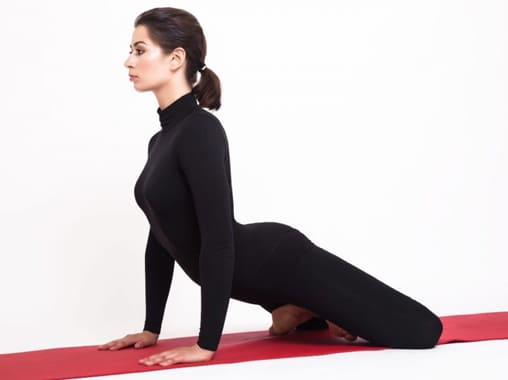
- Exhale to Plank Pose – Ground your hands down and step back.
- Lower to Chaturanga Dandasana – Bend elbows close to ribs.
- Inhale to Upward Facing Dog (Urdhva Mukha Svanasana) – Arch open.
- Exhale to Downward Facing Dog (Adho Mukha Svanasana) – Lift hips back.
- Hold for 5 breaths
- Walk forward to Uttanasana
- Inhale to Urdhva Hastasana
- Exhale to Tadasana
This simple round is one complete Vinyasa flow. Repeating it several times helps build heat, coordination, and confidence – all part of the extensive Vinyasa Yoga benefit.
Tips to Improve Your Vinyasa Practice
Whether you’re brand new or wanting to deepen your experience, these tips will enhance your practice and unlock more Vinyasa Yoga benefits:
- Focus on Breath Over Speed – It’s tempting to rush through the flow, but real progression comes from linking breath with movement. When breath leads, the body naturally follows with balance and ease.
- Modify When Needed – Use props like blocks, straps, or blankets – especially if you’re struggling to reach full expressions of poses. Modifications ensure safety and build confidence.
- Warm Up Thoroughly – Don’t skip warm-ups. A well-prepared body cushions the joints, increases blood flow, and reduces injury risk , all vital for maximizing the Vinyasa Yoga benefit.
- Practice Consistently – Consistency is more important than perfect execution. Even short daily practices yield dramatic improvements in strength, flexibility, and clarity.
- Listen to Your Body – Pain is not the goal. Adjust or pause when you feel sharp discomfort. Your body speaks; learning its language is one of the most profound Vinyasa Yoga benefits.
Common Misconceptions About Vinyasa Yoga
As popular as Vinyasa Yoga is, several misconceptions can keep people from practicing confidently:
- “You Must Be Flexible” – This is false. While flexibility will improve with practice, it is not a prerequisite. Vinyasa accommodates all bodies and shapes.
- “It’s Just Physical Exercise” – Although Vinyasa is physically engaging, its mindful breath-to-movement principle means it’s also a moving meditation.
- “It’s Only for Young People”- Practitioners of all ages enjoy the practice. Since Vinyasa varies in intensity, it can be tailored to your individual needs.
Understanding these helps remove mental barriers and unlocks deeper Vinyasa Yoga benefits.
How to Practice Vinyasa At Home
Practicing at home can be fulfilling, freeing, and supportive of your ongoing journey with Vinyasa Yoga. To practice safely:
- Choose a quiet, clutter-free space.
- Wear comfortable, breathable clothing.
- Use a non-slip yoga mat.
- Avoid meals at least one hour before practice.
- Start with simple flows and always include a warm-up and cool down.
With time, home practice builds autonomy, one of the unsung but powerful Vinyasa Yoga benefits.
The Science-Backed Benefits of Vinyasa Yoga
While many benefits are personally felt, science supports several Vinyasa Yoga benefits, including:
1. Stress Reduction
Yoga practices that emphasize breath and movement are linked to lower cortisol levels and reduced stress.
2. Increased Strength
Vinyasa strengthens arms, legs, core, and stabilizing muscles through dynamic poses.
3. Better Cardiovascular Health
Studies suggest that fluid, sustained movement practices support heart health through improved circulation and endurance.
4. Improved Balance and Flexibility
Regular practice enhances joint stability and muscle elasticity, reducing injury risk.
5. Greater Mental Clarity
Mindful motion creates a moving meditation – increasing focus and calming the nervous system.
These benefits demonstrate that Vinyasa Yoga is not just a workout – it’s a whole-body, whole-mind practice.
Advanced Vinyasa Techniques
As your practice deepens, you may explore advanced methods to amplify your experience:
- Longer Holds- Holding poses longer promotes strength and alignment awareness.
- Incorporating Bandhas- Bandhas are energy locks that deepen engagement and internal focus.
- Slow Flow Days- Mixing slower days with fast flows helps balance effort with rest, enhancing the long-term Vinyasa Yoga benefit of injury prevention.
The Role of Meditation in Vinyasa
Though Vinyasa Yoga emphasizes movement, meditation plays a powerful role. Integrating brief silent pauses before or after your flow helps settle the nervous system and transition from practice to daily life.
Even 3-5 minutes of seated breath awareness adds intention, clarity, and emotional calm, proving that the Vinyasa Yoga benefit extends beyond physical postures.
Conclusion
Vinyasa Yoga is more than a series of postures – it’s a living practice that harmonizes breath with movement, body with mind, and strength with serenity. Whether you choose to flow through sun salutations at sunrise, unwind with calming sequences after work, or explore peak poses with friends, the Vinyasa Yoga benefit reveals itself uniquely to each practitioner.
From increased flexibility and cardiovascular endurance to improved focus and stress reduction, the benefits of Vinyasa Yoga resonate far beyond the yoga mat. Perhaps the most transformative aspect of this practice is how it teaches presence, showing you how to move through life with awareness, courage, and acceptance.
The tips included in this guide, such as focusing on breath, respecting your body’s limits, and practicing consistently, will help support a safe and rewarding journey. Remember that yoga, especially Vinyasa, is not about perfection, competition, or achieving the “ideal” pose. It’s about connection – with your breath, your body, and your inner self.
As you deepen your practice, let each flow remind you that every breath matters. The Vinyasa Yoga benefit is not just in the poses you perform, but in the presence you bring to every step of your life.
FAQs
1. What is the main Vinyasa Yoga benefit?
The main Vinyasa Yoga benefit is enhanced mind-body coordination through breath-synchronized movement, improving strength, flexibility, and mental clarity.
2. How often should beginners practice Vinyasa Yoga?
Beginners can benefit from practicing 3–4 times a week, allowing rest days for recovery and skill development.
3. Is Vinyasa Yoga suitable for weight loss?
Yes – consistent Vinyasa flow elevates heart rate and builds muscle, contributing to caloric burn and weight management.
4. Do I need prior experience to practice Vinyasa Yoga?
No – beginners can start with basic flows and modifications and gradually build confidence and strength.
5. What should I eat before a Vinyasa session?
Eat lightly at least 60 minutes before practice; small snacks like fruit or yogurt help fuel movement without discomfort.
6. Can Vinyasa Yoga help with stress?
Absolutely, the integration of breath and movement in Vinyasa calms the nervous system, reducing stress and enhancing emotional balance.