

Yoga has grown into one of the most impactful practices for physical, mental, and emotional well-being. Around the world, people are turning to yoga not only for fitness but also for mindfulness, balance, and healing. With this growing demand, the role of yoga instructors has become more significant than ever.
For aspiring teachers, choosing the right training program is crucial. While single-style training focuses on one tradition, Multi-Style Yoga Training offers a complete and versatile approach. It prepares teachers to guide students with different needs, preferences, and goals. This makes it the perfect choice for those who want to thrive as future instructors.
What Is Multi-Style Yoga Training?
Multi-Style Yoga Training brings together various yoga traditions into one comprehensive program. Instead of restricting students to one lineage, it allows them to experience a range of practices such as:
- Hatha Yoga – The foundation of physical postures, alignment, and breath control.
- Vinyasa Yoga – A creative flow linking breath with dynamic movement.
- Ashtanga Yoga – A structured, disciplined series promoting strength and focus.
- Yin Yoga – Gentle and meditative, targeting deep connective tissues.
- Restorative Yoga – Relaxing and healing with props for full rejuvenation.
- Meditation & Pranayama – Mindfulness and breathwork techniques for inner clarity.
Why Multi-Style Yoga Training Is Ideal for Future Instructors
Broader Understanding of Yoga
Learning multiple styles provides a deeper appreciation of yoga’s vastness. While Hatha builds a solid foundation, Vinyasa teaches fluidity, Yin cultivates stillness, and Restorative encourages healing. Together, these practices create a well-rounded perspective, helping teachers understand yoga as more than just exercise—it becomes a way of life.
Ability to Cater to Different Student Needs
Every student comes with a unique purpose. Some may seek strength, others relaxation, while many want stress relief or improved flexibility. Multi-Style Yoga Training empowers teachers to design classes that match each student’s journey. For example, an energizing sequence can be combined with calming postures and meditation, offering a balance of effort and ease.
Creativity and Flexibility in Teaching
Single-style instructors often feel limited in how they design sessions. Multi-style training gives teachers freedom to experiment and blend techniques. They can create unique class sequences that are engaging, enjoyable, and effective. This creativity not only keeps students motivated but also enhances the instructor’s teaching confidence.
Stronger Career Opportunities
The yoga industry is highly competitive, and standing out requires versatility. A multi-style background allows teachers to:
- Work in studios offering varied formats.
- Conduct retreats and wellness workshops.
- Offer private lessons tailored to individual needs.
- Expand into online teaching for global students.
This adaptability opens up career opportunities that single-style training might not provide.
Personal Growth Beyond Certification
Multi-style training is not only professional but also personal. Each style highlights different aspects of self-development:
- Hatha builds discipline and patience.
- Vinyasa fosters creativity and resilience.
- Yin develops introspection and mindfulness.
- Meditation strengthens inner peace and focus.
Future instructors emerge from the program with greater balance, awareness, and authenticity—qualities that inspire students.
Key Components of Multi-Style Yoga Training
- Asana Practice Students gain practical knowledge of various yoga postures across different traditions, learning how each benefits the body and mind.
- Pranayama and Breathwork Techniques such as alternate nostril breathing, deep breathing, and cleansing breath practices are included to regulate energy and calm the mind.
- Meditation and Mindfulness From yoga nidra to mantra meditation, students explore tools to enhance focus, reduce stress, and develop self-awareness.
- Philosophy and Yogic Wisdom Foundational texts and teachings provide insights into yoga beyond the mat, connecting modern practice with its spiritual roots.
- Anatomy and Alignment Future teachers learn how the body works, how to prevent injuries, and how to guide students safely through each posture.
- Teaching Methodology Sequencing, adjustments, communication, and class design are emphasized to prepare instructors for real-world teaching.
Benefits of Multi-Style Yoga Training
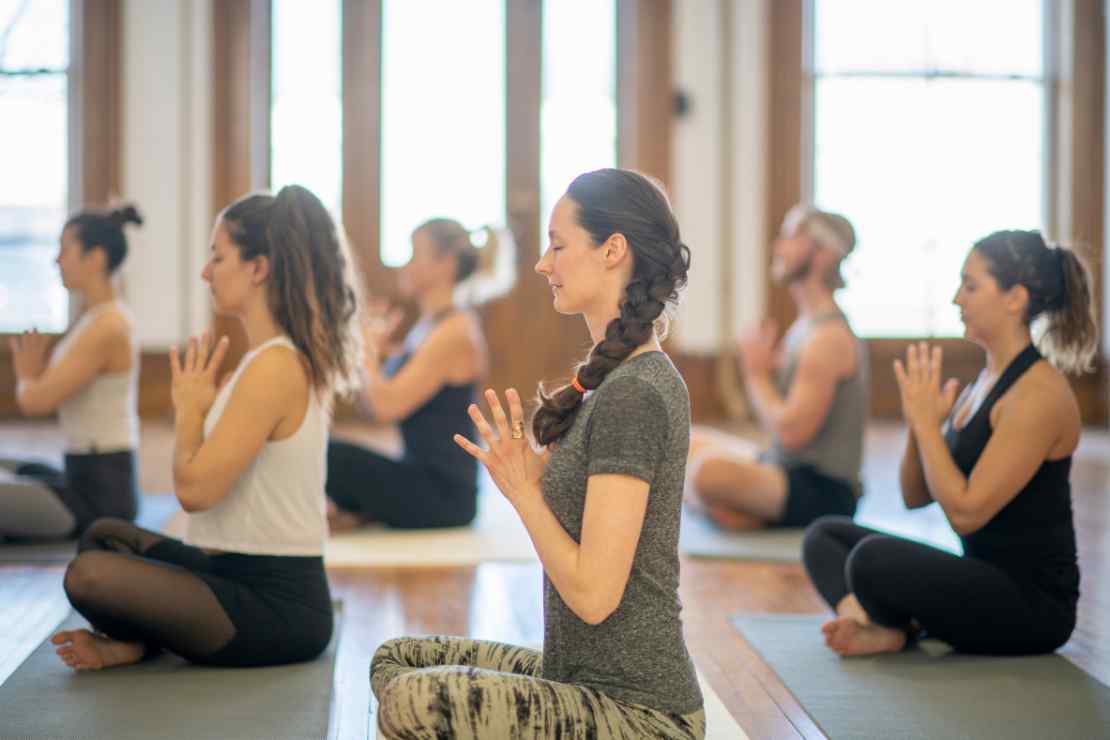
Holistic Learning
Multi-style yoga training integrates both dynamic and restorative practices, allowing instructors to develop strength, flexibility, balance, and mental clarity simultaneously. This approach ensures a complete and well-rounded growth experience, addressing both physical and spiritual aspects of yoga.
Teaching Versatility
With exposure to multiple yoga styles, instructors gain the ability to guide students of varying skill levels-from absolute beginners to advanced practitioners. This versatility enhances teaching confidence and adaptability in diverse classroom settings.
International Recognition
Most multi-style yoga programs are accredited and internationally certified, providing teachers with credentials that are recognized worldwide. This opens up opportunities to teach globally and connect with students from different cultures.
Balanced Lifestyle
Practicing and teaching a combination of active and restorative yoga cultivates balance in daily life. Instructors not only improve personal well-being but also serve as role models for students seeking harmony between body, mind, and lifestyle.
Sustainable Career Growth
A multi-style trained teacher is highly sought after in the yoga community. Their broad skill set ensures steady demand, long-term career sustainability, and the ability to explore diverse teaching avenues such as retreats, workshops, or online classes.
Comprehensive Skill Development
Learning multiple styles equips instructors with deeper knowledge of yoga philosophy, anatomy, and meditation techniques. This creates well-rounded teachers who can design versatile classes, meet varied student needs, and build a respected professional reputation.
A Typical Day in Multi-Style Yoga Training
While schedules vary, a typical training day balances:
- Meditation and breathwork practice to set the tone for awareness.
- Asana sessions in different styles for physical development.
- Philosophy and anatomy classes for theoretical grounding.
- Teaching methodology to refine instruction skills.
- Restorative or Yin practices for deep relaxation and recovery.
This blend ensures that students experience both intensity and stillness, theory and practice, effort and surrender.
Challenges of Multi-Style Training
Multi-style training is immersive and can feel overwhelming. With exposure to many traditions, students may initially find it difficult to absorb everything. Physical fatigue is also common. However, these challenges are part of growth. With patience and dedication, future instructors learn how to integrate the knowledge into a sustainable and fulfilling practice.
Why Multi-Style Yoga Is the Future of Teaching
Modern yoga students are diverse. Some want strength-based flows, while others seek healing or mindfulness. Instructors must be equipped to meet these varied expectations. Multi-Style Yoga Training ensures future teachers are:
- Adaptable and versatile.
- Confident in blending traditions.
- Skilled in creating balanced and inclusive classes.
This makes multi-style yoga not just relevant but essential for today’s yoga teachers.
Conclusion
A Multi-Style Yoga Teacher Training is much more than a certification—it is a transformative experience. It equips aspiring instructors with diverse skills, adaptability, and confidence to teach students from all walks of life. At the same time, it nurtures personal growth, inner peace, and a deeper understanding of yoga.
FAQs
1. Is multi-style yoga training good for beginners?
Yes. It introduces beginners to a variety of practices, helping them discover what resonates most.
2. How is it different from single-style training?
Single-style focuses on one approach, while multi-style provides exposure to many, offering versatility.
3. Will I be able to teach internationally?
Most multi-style programs are globally recognized, enabling you to teach worldwide.
4. Can I specialize after multi-style training?
Definitely. Many teachers first explore multiple traditions and then choose one for deeper specialization.
5. What personal benefits will I experience?
You’ll gain physical strength, mental clarity, emotional balance, and spiritual awareness.