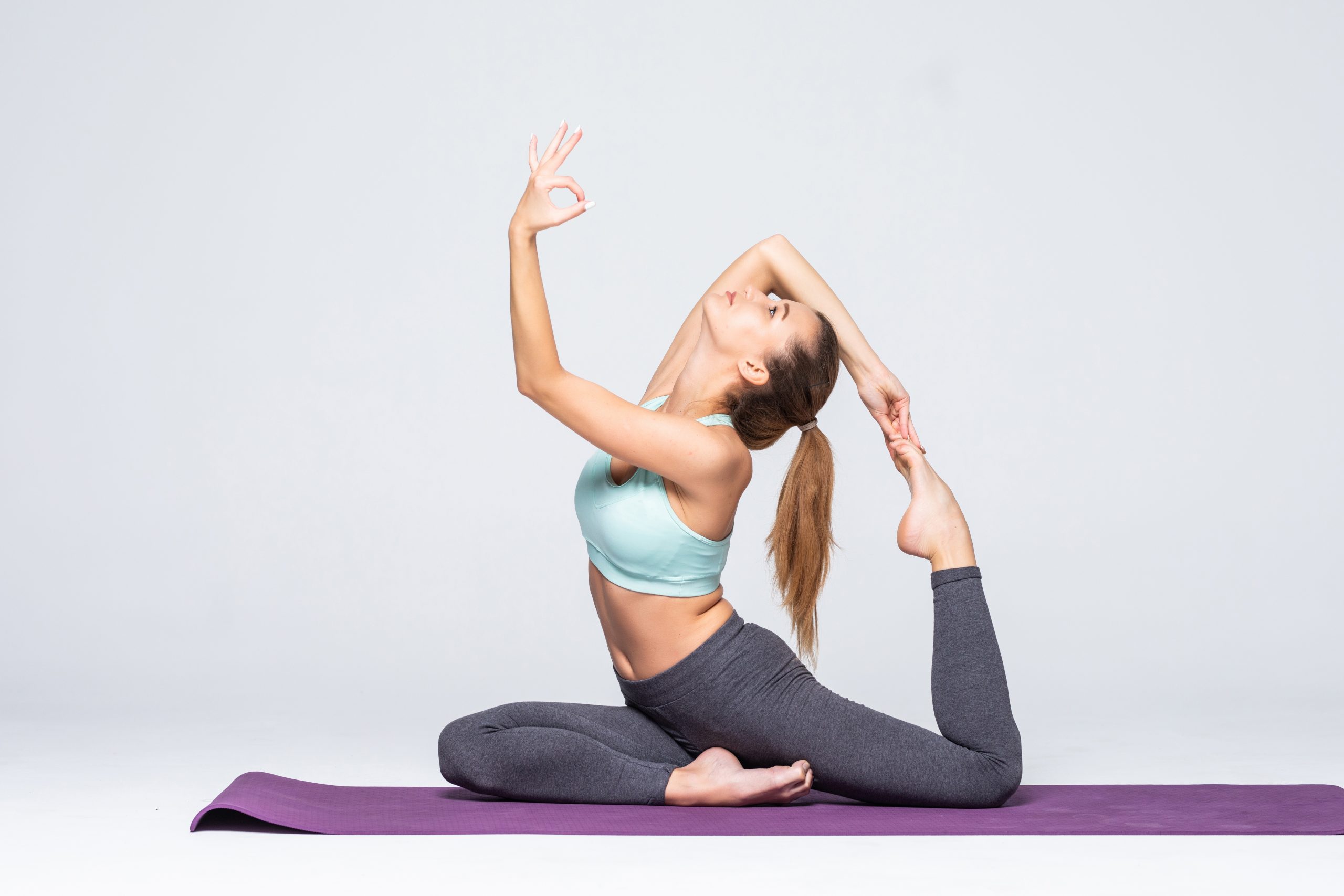

Digestive health is an integral part of overall body health, affecting energy levels, immunity, and mood.
Where most of the individuals are busy loading their bank balance or earning to fulfill their basic amenities but do not have enough time to get time for a workout, which creates their digestive problems and makes it a common problem among them. Furthermore, these busy professionals also suffer from bloating, constipation, and indigestion.
Although diet adaptation and medicines contribute a lot to the control of such conditions, yoga is an all-around way of improving the digestive system and restoring the balance in the body.
Understanding Digestive Health
Digestive health status is a description of how well the gastrointestinal system is functioning, including the stomach, intestines, liver, and pancreas.
A healthy digestive system ensures appropriate absorption of nutrients, excretion of toxins, and well-being.
The balance may be upset by stress, wrong diet, insufficient physical activity, and some medical conditions, and may result in digestive discomfort.
How Yoga Supports Gut Health
Yoga is beneficial to the digestive tract in:
Improves Digestive System: Stress reduces digestion. By focusing on breathing and being present, yoga works to activate the parasympathetic nervous system to restore the body system to its correct state of functioning, which includes relaxation and a well-functioning digestive system.
Boost Physical Movement: Some yoga positions, massage, or stimulating the abdominal organs improve blood flow and stimulate intestinal motility (peristalsis), which is the wave-like movement of the intestinal muscles and propels food down the gut.
Healthy Mind-Body Connection: Yoga also promotes body awareness and allows one to understand the grievances of the digestive system, identifying and managing them early enough.
Top Yoga Poses for Digestion

1. Wind-Relieving Pose (Pawanmuktasana)
The wind-relieving pose is also known as Pawanmuktasana and effectively targets the abdominal region, assisting in the release of trapped gas and significantly alleviating feelings of bloating and discomfort for better digestion.
How to Perform Pawanmuktasana
- Back lying position with legs stretched out.
- Bend one side knee and tip it to come against the chest and hold it with both hands.
- Stay 20-30 seconds in the same position, then change the legs.
- Repeat the above steps according to your body capacity.
2. Seated Twist (Ardha Matsyendrasana)
The seated twist is a beneficial yoga pose that deeply massages the abdominal organs, enhancing detoxification processes, promoting better digestion, and increasing overall flexibility and spinal mobility.
How To Perform Ardha Matsyendrasana
- Get seated with stretched legs.
- Bend the right leg and step out of the thigh of the left with the foot.
- Rotate the body to the right and have the left elbow around the outside of the right knee.
- Breathe through it whilst holding it for 30 seconds, then switch sides.
3. Cat-Cow Stretch (Marjaryasana-Bitilasana)
This cat-cow pose is a gradual transition between the two yoga poses. Such an active rotation has great positive aspects to the spine in terms of flexibility, which leads to improved posture and facilitates the operations of the spine.
Moreover, when the digestive organs are stimulated and massaged, it promotes digestion and overall health of the gut to enhance well-being.
How To Perform Marjaryasana-Bitilasana
- Beginning with the palms and knees position, the knees bend beneath the hips, with the wrists below the shoulders.
- Arm up, back arch (cow pose), and raise head and tailbone.
- Take a breath out around the spine (Cat Pose), with a chin and tailbone tucked.
- Keep moving between these positions for 1-2 minutes.
4. Cobra Pose (Bhujangasana)
This specific backbend not only stretches the abdomen effectively but also plays a crucial role in stimulating the digestive organs, promoting better digestion and overall abdominal health through improved flexibility and circulation.
How To Perform Bhujangasana
- Face down, having palms under the shoulders and elbows beside the body.
- Push to the palms and raise the chest, straighten arms with elbows a bit bent.
- Be in the same pose for 15-30 seconds and try to hold.
- At last, bring it back slowly.
5. Child’s Pose (Balasana)
This resting posture effectively stretches the back, promoting relaxation and alleviating stress. It also assists in soothing digestion, making it a beneficial position for overall physical and digestive comfort.
How To Perform Balasana
- Sit with cross-legged over the mat with big toes touching each other and knees separated.
- Sit back onto your heels and then fold forward.
- Place your forehead on the floor.
- Bring your arms out or to the sides of your body.
- Be in the same pose for 1-3 minutes and breathe deeply.
Note: If you find difficulty in doing the Balasana, then it is good to use a prop like a pillow.
6. Supine Twist (Supta Matsyendrasana)
This gentle twist effectively alleviates spinal tension while simultaneously massaging abdominal organs, promoting better digestion and overall comfort, leading to improved posture and enhanced well-being with regular practice.
How To Perform Supta Matsyendrasana
- Put yourself flat on your back and have your arms spread like a T when resting.
- Knees should be bent and dropped on one side, with shoulders relaxed.
- Remain in the position for the next 30 seconds, and after that, change sides.
Breathwork (Pranayama) for Digestive Health
There are certain breathing methods, or Pranayamas, that can improve digestive health.
- Kapalbhati (Skull Shining Breath): A dynamic exhalation method that has the effect of activating the abdominal organs, as well as thereby promoting detoxification.
- Anulom Vilom (Nadi Shodhana): Alternate breathing produces balance in the nervous system and relieves stress, and promotes the digestive system.
- Ujjayi Breath: Slow, relaxed breath that helps to relax and increase oxygen supply to the digestive organs.
Meditation & Gut-Brain Connection
The gut-brain axis is a so-called conversation loop between the brain and the digestive system.
Such activities as meditation and mindfulness can lower levels of stress hormones, increase the motility of the gut, and support better digestive wellness.
Frequent practice of meditation produces a relaxed state of mind, and this is a major factor entailing proper digestion.
Ayurvedic Tips to Complement Yoga Practice
According to the Indian traditional system of medicine, Ayurveda also provides dietary and lifestyle recommendations to maintain the ability to digest.
- Be the first one to have warm and cooked food. To have this kind of tasty food, you can include soups and stews.
- Say a big No to the cold drinks as they reduce the Agni of your stomach.
- Add digestive spices to your meal. There are some ingredients like ginger, cumin, and fennel that help in digesting the food.
- Keep your emotions in your pocket and stick to your schedules. This will help you in maintaining your food cycle and body feeding cycle.
- Drink lots of water. Warm water throughout the day helps your body with digestion.
Lifestyle Tips for Better Gut Health
Along with yoga and Ayurveda, do not neglect such lifestyle practices:
- Daily exercise: Daily exercise is good for keeping the digestive system healthy.
- Sleep: Have quality sleep, 7-9 hours at night.
- Minimize Processed Foods: Reduce the consumption of highly sugary foods, sources of fat, and highly processed foods.
- Be hydrated: Take a lot of water.
- Stress Management: Use relaxation methods such as breathing and meditation.
Precautions and When to Go to a Doctor
Although yoga could help with digestion, in case you feel some discomfort, you should not ignore it and contact your doctor immediately in the following cases.
- When you have Constant stomach pain.
- Weight loss without any reason.
- Disabling bloating and constipation.
- Blood abnormality in the stool.
- Having vomiting or nausea.
If you are facing these signs, it means your body needs medical experts.
Conclusion
Yoga practice in everyday life can be a good measure to gain digestive health and gut health to a considerable degree.
With a mixture of poses, breathing, and Ayurvedic techniques, you can help your digestive tract more comprehensively.
Ensure to pay attention to your body’s feelings, train consistently, and seek medical help when it is needed.
FAQs
1. How often should I practice yoga for digestive health?
Though there is no particular answer to this query. It entirely depends on your bodily capability. However, if you are a novice yoga practitioner, you can start with 3-4 times a week.
2. Can yoga help with chronic conditions like IBS, a chronic gastrointestinal disorder?
Yes, many studies reveal that yoga can help you provide relief and alleviate symptoms of Irritable Bowel Syndrome (IBS) when combined with conventional treatment.
3. Are there any contraindications for practicing yoga with digestive issues?
Individuals with certain conditions, like hernias or severe acid reflux, should consult a healthcare provider before starting a yoga practice.
4. Can I practice yoga immediately after eating?
No, it can impact your health. However, if you really feel like doing yoga after a meal, you can have a light walk. Alternatively, maintain a gap of 1-2 hours after a meal, or wait till your food digests properly.
5. How long will it take to notice improvements in digestion with yoga?
With consistent practice, you can find changes in your body. However, the improvement in your digestive system will depend on your body’s capacity.
6. Can yoga assist in weight management related to digestive health?
Regular yoga practice can support healthy digestion and metabolism contribute to weight management when combined with a balanced diet and regular physical activity.