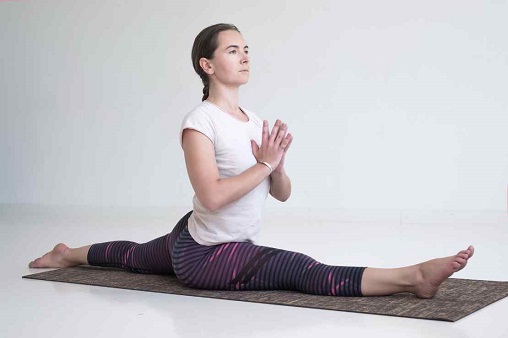
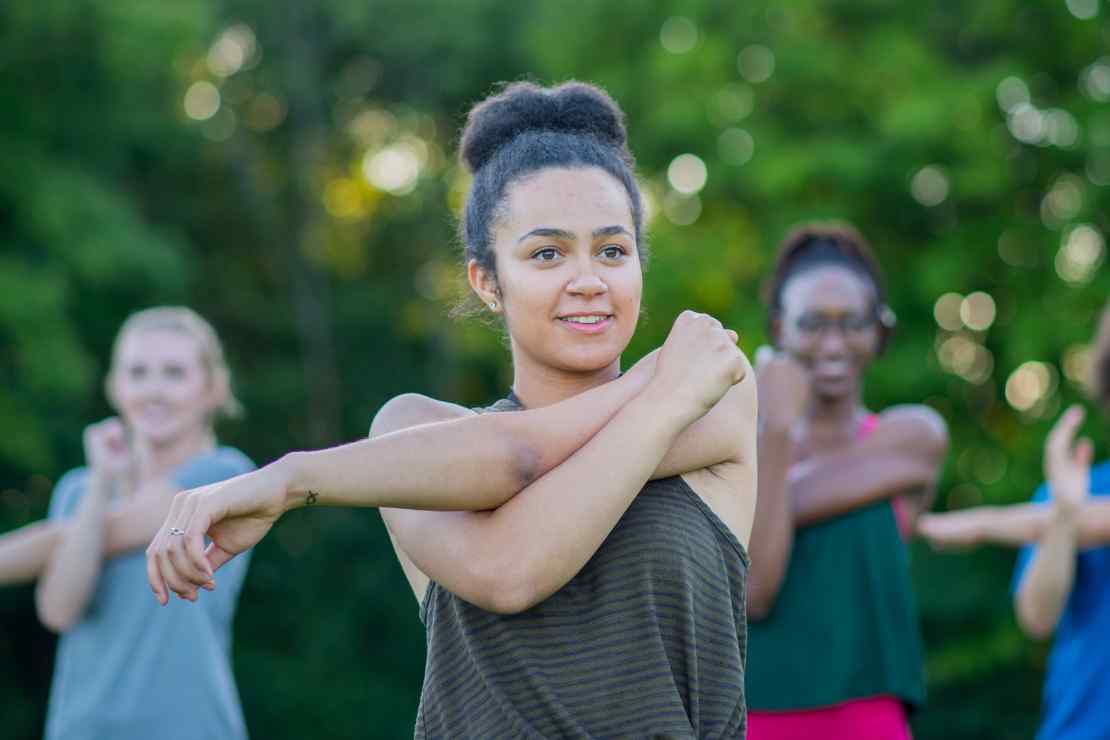
If you’ve ever stretched and felt sudden muscle tightness or resistance, you’ve experienced the stretch reflex. For athletes, yogis, fitness enthusiasts, and anyone working on flexibility, understanding this response is crucial. In this detailed guide, you’ll learn what the stretch reflex is, why it happens, and—most importantly—five proven, science-backed techniques to calm the stretch reflex for safe, effective, and enjoyable stretching.
What is the Stretch Reflex?
The stretch reflex—also known as the myotatic reflex—is an involuntary, automatic muscle contraction in response to rapid stretching. It exists as a built-in protective mechanism to prevent muscles from stretching beyond their limits and getting injured. This reflex is not under conscious control and bypasses the brain, relying instead on a neural loop between the muscle and the spinal cord.
How Does the Stretch Reflex Work?
When a muscle is stretched, muscle spindles—specialized sensory receptors located within the muscle belly—are also stretched.
These spindles send rapid signals to the spinal cord, which instantly fires back a signal via alpha motor neurons to contract the same muscle.
At the same time, the neural circuit inhibits the antagonistic muscle (the muscle that opposes the stretch) to allow a smooth response.
All this happens within 1–2 milliseconds of the stretch.
Example: The classic knee-jerk test at the doctor’s office taps the patellar tendon, stretching the quadriceps muscle and triggering the stretch reflex, causing the lower leg to kick.
Purpose of the Stretch Reflex
- Muscle Protection: Prevents muscle tears and strains from overstretching.
- Movement Coordination: Helps maintain posture, balance, and coordinated movements.
- Rapid Response: Bypasses conscious control for immediate correction to sudden muscle length changes.
Why Calm the Stretch Reflex?
While beneficial during accidents or sudden movements, the stretch reflex can hinder flexibility gains and relaxation. Overactive or triggered stretch reflexes:
- Cause muscle tightness and discomfort during stretching.
- Limit the range of motion and flexibility.
- Disrupt Yoga, Pilates, or athletic stretching routines.
- Increase the risk of overuse injuries if not addressed properly.
By calming the stretch reflex, you can safely deepen your stretches, improve flexibility, and promote recovery.
Five Proven Techniques to Calm the Stretch Reflex

Here are five expert-recommended, research-backed techniques to reduce the intensity of the stretch reflex and create a more productive, enjoyable stretching experience:
Warm-Up with Gentle Movement
Why it works: Warming up muscles increases temperature and blood flow, making muscle spindles less sensitive and reducing the chance of the stretch reflex being triggered.
How to do it:
- Perform light cardiovascular activity (e.g., brisk walking, cycling) for 5–10 minutes.
- Include dynamic movements like leg swings, arm circles, or torso rotations before static stretching.
- Avoid bouncing or ballistic movements.
Benefits: Prepares your body, reduces injury risk, and primes muscles for deeper, safer stretching.
Use Slow, Gradual Stretching
Why it works: Rapid or forceful stretching suddenly activates the muscle spindles, causing a strong reflex contraction. Gentle, progressive stretching lets the muscle adapt and the spindle response diminish.
How to do it:
- Move slowly into each stretch, stopping at the first sign of resistance.
- Avoid bouncing or “forcing” movements.
- Hold the stretch without pain for at least 15–30 seconds, gradually deepening as tension fades.
Pro Tip: Creating a mild, pleasant stretch, and waiting for the sensation to subside before going deeper, is often more effective than aggressive stretching.
Hold Stretches for Extended Durations
Why it works: The stretch reflex is most active during the first few seconds of stretching. Maintaining a steady, non-painful stretch allows the sensation to fade, “teaching” your nervous system to accept the new muscle length.
How to do it:
- Hold static stretches for at least 15–60 seconds per repetition.
- Breathe deeply and relax during the hold.
- Let each subsequent repetition go slightly deeper as your tolerance improves.
Benefits: Promotes muscle adaptation, increases range of motion, and reduces the defensive muscle contraction.
Incorporate PNF Stretching (Proprioceptive Neuromuscular Facilitation)
Why it works: PNF utilizes contracting and relaxing techniques to help override the stretch reflex, leading to greater muscle lengthening.
Popular PNF Techniques:
- Hold-Relax: Stretch the target muscle, hold, then contract it isometrically against resistance for 6–10 seconds, relax, and stretch deeper.
- Contract-Relax: Similar, but the contraction is isotonic (against resistance, allowing movement).
- Hold-Relax-Contract: Following contraction and relaxation, actively contract the muscle opposite to the target muscle to increase stretch.
How to do it:
- Use a partner or a strap for resistance.
- Apply these techniques once or twice per muscle group, not exceeding session limits (to avoid overstretching or injury).
Caution: If you’re unfamiliar with PNF, seek guidance from a certified trainer or therapist.
Common Mistakes to Avoid
- Arching the lower back excessively
- Letting the lifted hip rotate outward
- Gripping the outside of the foot (causes shoulder strain)
- Leaning too far forward
- Holding the breath
Correcting these mistakes helps to deepen your practice and avoid injury.
Focus on Conscious Breath and Mindfulness
Why it works: Deep, relaxed breathing activates the parasympathetic nervous system, lowering muscle tension and allowing the stretch reflex to subside.
How to do it:
- As you stretch, inhale deeply through the nose, expanding your belly.
- Exhale slowly, intentionally relaxing the muscles.
- Use mindfulness: focus your attention on the stretch sensation and gently encourage relaxation rather than force.
Bonus: Combine breathwork with slow stretching for the best results.
Summary Table: 5 Techniques to Calm the Stretch Reflex
| Technique | Key Actions | Benefits |
|---|---|---|
| Warm-Up | Light cardio, dynamic movement | Lowers injury risk, reduces spindle sensitivity |
| Slow/Gradual Stretch | Move and hold stretch without force or bounce | Avoids sudden reflex, allows gradual adaptation |
| Hold Stretch Longer | Maintain stretch 15–60s; relax and breathe | Reflex fades, increases muscle tolerance |
| PNF Stretching | Contract–relax–deepen technique | Overrides reflex, gains flexibility |
| Breath & Mindfulness | Controlled inhale/exhale, relax muscles during stretch | Activates relaxation, diminishes reflex |
Final Thoughts: Stretch Smart, Stretch Safe
Understanding and calming the stretch reflex is essential to making progress in flexibility, athletic performance, and injury prevention. Integrate these five techniques into your stretching routine, listen to your body, and remember—consistency, not force, brings sustainable gains.
Embrace mindful stretching, and you’ll unlock a safer, deeper, and more enjoyable journey toward mobility and well-being.
FAQs
1. What is the main function of the stretch reflex?
The stretch reflex protects muscles and tendons from overstretching by causing an automatic contraction in response to rapid or excessive stretch.
2. Why do my muscles sometimes tighten during stretching?
Sudden or forceful stretches trigger the stretch reflex, causing temporary tightening. This is a defense mechanism to prevent injury, not a sign that you’re inflexible or doing something wrong.
3. How can I safely deepen my stretches without activating the stretch reflex?
By warming up, stretching slowly, holding each stretch for longer durations, and using techniques such as PNF stretching or controlled breathing, you can calm the stretch reflex and improve flexibility.
4. Is it dangerous to ignore the stretch reflex when stretching?
Yes. Forcing past the initial resistance can lead to strains or injuries. Always respect your body’s response and use calming techniques to safely increase your range.
5. Can the stretch reflex become overactive or impaired?
Yes, especially in some neurological or muscular conditions. Consulting a healthcare provider is important if you notice persistent tightness, spasms, or abnormal reflex responses.