
Natarajasana, or the Lord of the Dance Pose, is a beautiful yoga position that reflects grace, discipline, and the flow of the universe. This advanced pose not only tests your physical abilities but also your mental focus, helping you connect deeply to your inner strength, balance, and commitment.
Rooted in traditional Hatha Yoga and appreciated in popular styles like Vinyasa and Ashtanga, Natarajasana is more than just about being flexible or balanced. It serves as a powerful reminder of life’s divine dance, inviting you to transform through movement.
This pose encourages you to feel like a spiritual dancer, blending stillness with movement and strength with letting go.If you’re looking to improve your practice or want to explore the deeper meaning behind this pose, this thorough guide provides everything you need to master Natarajasana-from its mythological roots to practical tips on alignment.
What is Natarajasana?
Natarajasana is a standing backbend yoga pose that combines strength, flexibility, and concentration. The name is derived from three Sanskrit words: “Nata” (dancer), “Raja” (king), and “Asana” (pose). Thus, it translates to “King of the Dance Pose” or “Lord of the Dance Pose.”
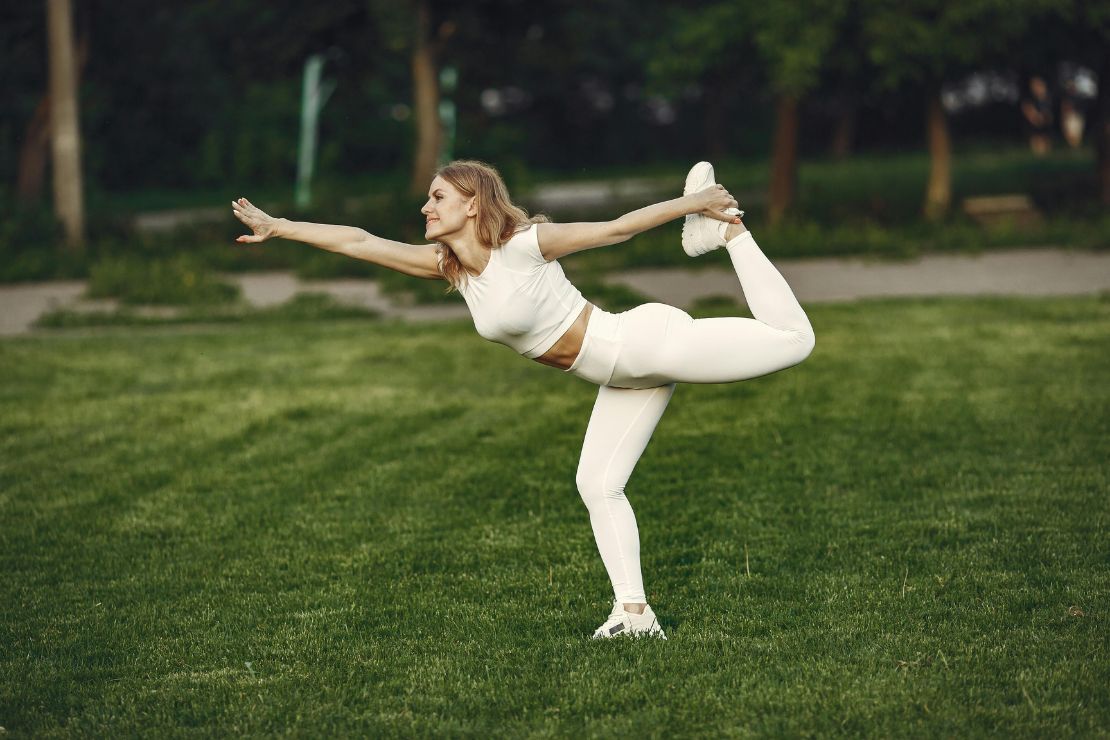
The posture involves balancing on one leg while the other leg is bent backward, grasped by the hand, and lifted towards the sky. The free arm stretches forward, creating a bow-like arc with the body. This opens the chest, stretches the thighs, and requires intense focus.
It is particularly revered for its ability to open the heart chakra, build mental clarity, and express devotion to the divine. It demands more than muscle—it asks for surrender, grace, and dedication.
The Mythological Significance of Natarajasana
Natarajasana is a tribute to Lord Shiva in his cosmic role as Nataraja, the Dance King. In Hindu stories, he performs the Tandava, a divine dance that shows the cycle of creating, preserving, and destroying the universe.
This dance reflects the natural rhythm of everything around us. In this pose, Shiva stands with one foot firmly on the ground, symbolically defeating the demon Apasmara, who represents ignorance. His other leg is raised in a gesture of freedom. One hand carries a drum, which represents creation, while another holds fire to signify destruction. His other arms stretch out, offering blessings and protection. When you practice Natarajasana, you connect with this divine rhythm. It becomes a way to meditate on overcoming ignorance and flowing with the universe. Each time you lift your leg and reach forward, you recreate this spiritual journey in your own body.
Step-by-Step Guide to Practicing Natarajasana
Step 1: Begin in Tadasana (Mountain Pose)
- Stand tall with your feet together, arms resting alongside your body.
- Ground yourself evenly through both feet and focus on your breath.
Step 2: Shift Weight and Bend Knee
- Shift your weight onto the right leg.
- Bend your left knee and bring the heel toward your left buttock.
Step 3: Grip Your Ankle
- Reach your left hand behind and grasp the inside of your left ankle.
- Keep your knees close together at this stage.
Step 4: Engage Core and Lift
- Inhale and begin to lift your left foot upwards, away from your body.
- Simultaneously extend your right arm forward, parallel to the floor.
Step 5: Open Chest and Deepen Backbend
- Press your foot into your hand to lift the leg higher.
- Open through the chest and lift the sternum.
- Keep your gaze fixed (drishti) to maintain balance.
Step 6: Hold and Breathe
- Stay in the pose for 20–30 seconds, breathing deeply.
- Focus on maintaining a steady breath and calm mind.
Step 7: Release and Repeat
- Exhale slowly and release the foot.
- Return to Tadasana and repeat on the other side.
Alignment Cues for Safe Practice
- Hips: Ensure the hips remain square to the front. Avoid letting the lifted hip turn outward.
- Standing Leg: Engage the thigh and avoid locking the knee.
- Grip: Hold the inside of the ankle for better shoulder alignment.
- Chest and Shoulders: Lift the sternum and avoid rounding the shoulders.
- Backbend: Focus on lifting the chest, not just arching the lower back.
- Gaze: Fix your eyes on a non-moving point to stay balanced.
Proper alignment ensures the pose is beneficial, not straining. It prevents injury and cultivates a deeper sense of awareness.
Tips for Improving Balance in Natarajasana
Balancing in Natarajasana can be challenging. Here are techniques to help:
- Use a wall: Practice with one hand on a wall until you’re stable.
- Strengthen the core: Incorporate core-building poses like plank and boat pose.
- Drishti: Focus on a single point ahead of you.
- Breathe steadily: Deep, rhythmic breathing calms the nervous system.
- Practice on both sides: Balance improves when both sides are equally strong and flexible.
- Visualize: Picture yourself rooted like a tree and rising like a wave.
Physical and Mental Benefits of Natarajasana
Physical Benefits
- Enhances balance and stability: Balancing on one leg trains proprioception and strengthens stabilizing muscles in the feet, legs, and core.
- Tones and strengthens legs and ankles: The standing leg is fully engaged, building endurance and improving muscular tone.
- Improves spinal flexibility: The backbend element stretches the spine, enhancing mobility and reducing stiffness.
- Opens the hips and chest: Extending the leg backward and lifting the chest stretches the hip flexors and pectoral muscles, promoting better posture.
- Strengthens the back muscles and shoulders: Holding the lifted leg and extending the arm develops isometric strength in the upper back and shoulders.
Mental and Emotional Benefits
- Enhances focus and concentration: Holding the pose requires mental clarity and unwavering attention, improving mindfulness.
- Boosts self-confidence: Mastering a complex pose like Natarajasana fosters a sense of accomplishment and inner strength.
- Opens the heart chakra (Anahata): This posture stimulates the chest center, helping to release emotional tension and promote compassion.
- Encourages emotional expression and vulnerability: The exposed and open position helps practitioners feel more connected to their emotions.
- Promotes a meditative state: The fusion of strength, balance, and focus required for the pose fosters a deeply meditative and present state of mind.
Common Mistakes to Avoid
- Arching the lower back excessively
- Letting the lifted hip rotate outward
- Gripping the outside of the foot (causes shoulder strain)
- Leaning too far forward
- Holding the breath
Correcting these mistakes helps to deepen your practice and avoid injury.
Contraindications and Precautions
Conditions to Be Aware Of:
- Knee or ankle injuries: The balancing leg bears a lot of weight, and the lifted leg requires bending and stretching. Practitioners with joint injuries should avoid the pose or use props to reduce strain.
- Spinal problems: Those with herniated discs or chronic lower back pain should approach this backbend with caution to avoid exacerbating the issue.
- Vertigo or balance disorders: Since Natarajasana involves standing on one leg, it can be risky for individuals with balance impairments.
- Low blood pressure: The pose may cause dizziness or light-headedness, especially when transitioning in and out quickly.
Precautions:
- Warm up thoroughly: Always begin with preparatory poses that stretch the hips, thighs, shoulders, and spine.
- Use props: A yoga strap around the ankle or practicing near a wall can make the pose safer and more accessible.
- Listen to your body: Avoid pushing into discomfort or pain. Respect your limits and progress gradually.
- Consult a professional: If you have chronic health conditions or are recovering from surgery, seek guidance from a yoga therapist or physician before attempting the pose.
Preparatory and Counter Poses
Preparatory Poses:
- Utkatasana (Chair Pose)
- Virabhadrasana III (Warrior III)
- Dhanurasana (Bow Pose)
- Ardha Chandrasana (Half Moon Pose)
Counter Poses:
- Uttanasana (Standing Forward Bend)
- Balasana (Child’s Pose)
- Setu Bandhasana (Bridge Pose)
- Paschimottanasana (Seated Forward Bend)
These poses prepare the body for Natarajasana and aid in muscle recovery afterward.
Conclusion
Mastering Natarajasana is a journey of balance, strength, and surrender. It’s a graceful union of the body and spirit, paying homage to cosmic harmony and inner discipline. Whether you are drawn to its mythological symbolism or its powerful benefits, this pose invites you to dance with awareness, stand tall with confidence, and move with divine purpose.
Let each practice of Natarajasana be not just a posture but a prayer—a moving meditation that honors both your inner self and the rhythm of the universe.
FAQs
1. Is Natarajasana suitable for beginners?
Yes, with modifications. Beginners can use props like a strap or practice at the wall for support.
2. What are the spiritual benefits of this pose?
It opens the heart chakra and symbolizes transcendence, surrender, and divine rhythm.
3. Can I do Natarajasana every day?
Yes, if done mindfully. Daily practice enhances flexibility, strength, and mental clarity.
4. What should I do if I feel pain in my lower back?
Stop and reassess your alignment. Avoid overarching the back and engage your core.
5. How can I deepen my Natarajasana practice?
Work on preparatory poses, improve your backbends, and practice regularly with mindfulness.