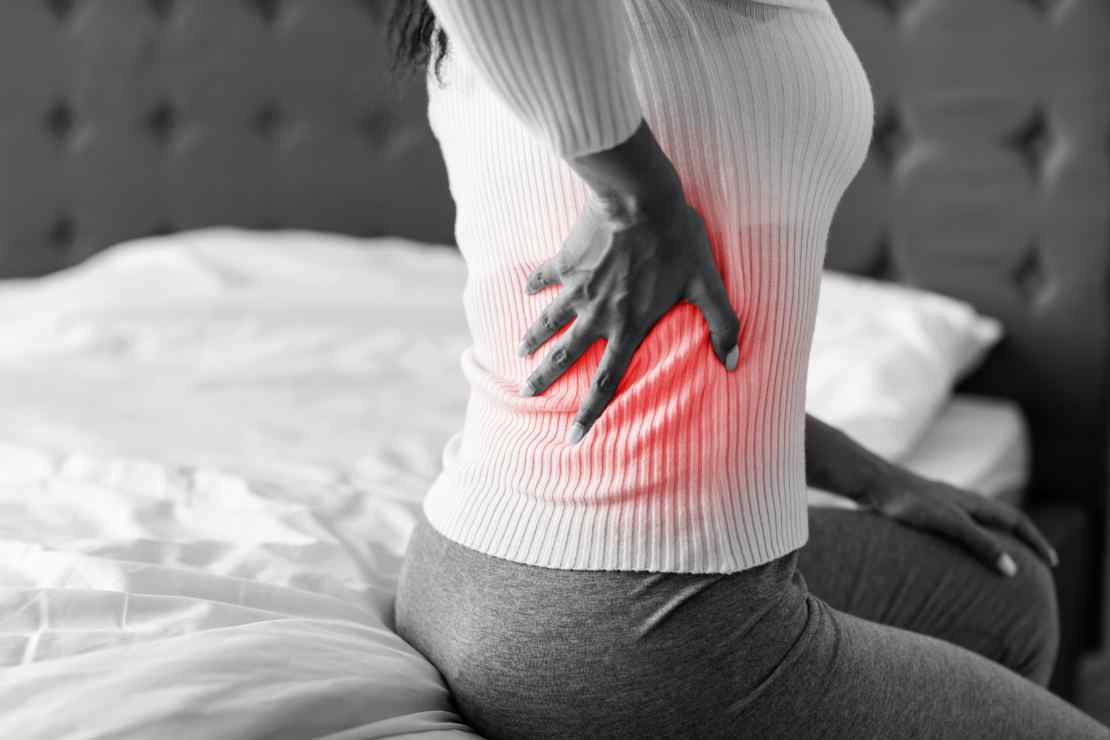
Back pain has become a silent epidemic among women. From young adults to postmenopausal women, millions search daily for the same critical question: what causes lower back pain in females? Lower back pain is not merely an inconvenience—it’s a message from the body signaling underlying health issues, lifestyle patterns, or physiological changes that need attention.
Understanding what causes lower back pain in females is crucial because women’s bodies go through unique hormonal fluctuations, reproductive functions, and musculoskeletal challenges that differ from men. From menstruation to pregnancy, childbirth, and menopause, every stage introduces new stressors to the lumbar region.
If you have ever woken up with stiffness, battled recurring aches after sitting too long, or felt sharp pain during certain times of your monthly cycle, you’re not alone. These are common signs of deeper imbalances that reveal what causes lower back pain in female bodies.
This comprehensive guide explores every possible factor—biological, lifestyle-related, and psychological—to uncover what causes lower back pain in females and how women can manage and prevent it effectively.
Understanding the Female Anatomy and Its Relationship with Back Pain
To fully grasp what causes lower back pain in females, it’s essential to first understand the anatomy of the female lower back and pelvis. The lower back, or lumbar region, supports the upper body and connects to the pelvis—a structure designed for childbirth.
Unlike male anatomy, a woman’s pelvis is broader and tilted slightly forward. This alignment difference increases the curvature of the lower spine, which may strain lumbar muscles. Hormonal changes, particularly estrogen fluctuations, further affect ligaments and joint flexibility, which directly influence what causes lower back pain in females.
For example, during pregnancy, the hormone relaxin softens ligaments to prepare for childbirth. While necessary, this can cause instability in the pelvic joints and spine—one major factor behind what causes lower back pain in females during reproductive years.
In essence, the unique anatomical design that supports life creation also predisposes women to back pain if not balanced with proper posture, exercise, and hormonal care.
Hormonal Fluctuations: A Silent Contributor
One often-overlooked aspect of what causes lower back pain in females is hormonal imbalance. Estrogen and progesterone influence how pain is perceived and how connective tissues behave.
During the menstrual cycle, prostaglandins (chemical messengers involved in uterine contractions) may cause cramping that radiates to the lower back. This recurring discomfort highlights what causes lower back pain in females during menstruation.
In perimenopause and menopause, the drop in estrogen weakens bones and joints, increasing the risk of osteoporosis and spinal degeneration—further explaining what causes lower back pain in females beyond childbearing age.
Moreover, conditions like endometriosis, which involves the growth of uterine tissue outside the uterus, are among the leading medical causes of chronic lower back pain. Understanding how hormones affect inflammation, bone density, and nerve sensitivity is essential to grasp what causes lower back pain in females comprehensively.
Common Medical Conditions Linked to Female Lower Back Pain
Several medical issues contribute directly to what causes lower back pain in females, often overlapping or mistaken for muscular problems. Below are some key examples:
Endometriosis
This condition occurs when uterine tissue grows outside the uterus, irritating surrounding nerves and organs. The pain often radiates to the lower back, particularly before and during periods, making it a significant example of what causes lower back pain in females of reproductive age.
Uterine Fibroids
Noncancerous growths in the uterus can press on nearby nerves or the spine, creating persistent backache. Fibroids are a major contributor to what causes lower back pain in females populations aged 30–50.
Polycystic Ovary Syndrome (PCOS)
Hormonal imbalances and ovarian cysts associated with PCOS can cause inflammation and discomfort in the pelvic area, sometimes extending to the back. Thus, PCOS adds another dimension to what causes lower back pain in female health.
Urinary Tract Infections (UTIs) and Kidney Issues
Infections or stones in the urinary tract can radiate pain to the lower back. Chronic UTIs often overlap with pelvic inflammation, forming another layer of what causes lower back pain in females.
Pelvic Inflammatory Disease (PID)
Infections in the reproductive organs can cause inflammation, tenderness, and dull lower back pain—particularly common in women with untreated sexually transmitted infections, linking it again to what causes lower back pain in females from a medical standpoint.
Lifestyle and Postural Factors
Beyond biology, lifestyle habits play a tremendous role in what causes lower back pain in females. Many women balance work, family, and personal responsibilities, often compromising posture, movement, or self-care.
Sedentary Lifestyle
Sitting for prolonged hours, especially with poor posture, weakens the core muscles supporting the spine. This lack of muscular support amplifies stress on the lower vertebrae, becoming a key trigger of what causes lower back pain in females in modern times.
High Heels and Fashion Choices
Though stylish, high heels tilt the pelvis forward and exaggerate the lumbar curve, leading to chronic strain. Tight clothing, such as shapewear or skinny jeans, can also restrict movement and circulation, adding to what causes lower back pain in females due to lifestyle factors.
Improper Lifting or Carrying
Women often lift children, groceries, or laundry in awkward postures. Improper lifting technique—especially bending from the waist instead of knees—can lead to muscle strain or herniated discs, explaining another cause behind what causes lower back pain in females.
What Causes Lower Back Pain in Females?
Pregnancy and Postpartum Factors
Among the most common stages where we observe what causes lower back pain in females is during pregnancy and the postpartum period. Carrying a baby places enormous strain on a woman’s lower back, pelvis, and hips.
During pregnancy, several physiological and biomechanical changes occur:
- The hormone relaxin loosens ligaments, preparing the pelvis for childbirth but reducing spinal stability.
- The center of gravity shifts forward, forcing the lower back into increased curvature (lordosis).
- Weight gain adds extra pressure on the lumbar vertebrae and supporting muscles.
These combined changes are central to what causes lower back pain in females during pregnancy. The pain may range from dull aches to sharp discomfort, especially in the later trimesters.
After childbirth, many new mothers continue to experience pain due to weakened abdominal muscles, pelvic misalignment, or tension from breastfeeding posture. Improper postnatal care, lack of core rehabilitation, and carrying the baby unevenly often worsen what causes lower back pain in female postpartum.
Gentle exercises such as pelvic tilts, yoga, and physical therapy focused on strengthening the core and pelvic floor are vital for recovery and preventing chronic pain.
Menopause and Aging
As women age, hormonal shifts again influence what causes lower back pain in females. With menopause, estrogen levels decline sharply, leading to:
- Loss of bone density (osteopenia or osteoporosis)
- Degeneration of spinal discs
- Increased inflammation in joints and ligaments
Estrogen helps maintain healthy bone and cartilage tissue. Its reduction leads to weaker vertebrae, brittle bones, and an increased risk of compression fractures. These structural changes are major contributors to what causes lower back pain in females during and after menopause.
Additionally, decreased flexibility and slower muscle regeneration mean the spine is less supported. Degenerative disc disease, spinal stenosis, or arthritis become more common, compounding what causes lower back pain in females over 50.
Regular weight-bearing exercises, calcium-rich diets, vitamin D, and hormone-balancing therapies can significantly reduce these risks. Maintaining muscle tone through walking, Pilates, or yoga helps counteract what causes lower back pain in females from age-related decline.
Psychological and Emotional Influences
Although physical factors dominate discussions about what causes lower back pain in females, emotional stress cannot be ignored. The mind and body are deeply interconnected, and chronic stress or anxiety often manifests physically.
Women frequently juggle multiple responsibilities—career, household duties, caregiving—which can lead to mental tension stored in the back muscles. Emotional strain tightens muscles, restricts blood flow, and heightens pain sensitivity. This psychosomatic connection is a vital part of what causes lower back pain in females that traditional medicine sometimes overlooks.
Conditions such as fibromyalgia, known for widespread pain and fatigue, also have psychological components. Emotional burnout or unresolved trauma can amplify inflammation and muscle tension. When women suppress stress or grief, their bodies often communicate distress through persistent back pain—another hidden layer of what causes lower back pain in females.
Stress management techniques such as mindfulness, therapy, and regular movement are essential tools in addressing this invisible dimension.
Occupational and Work-Related Causes
Modern work culture has transformed what causes lower back pain in females into an occupational hazard. Whether sitting at a desk or standing for hours, poor ergonomics contribute heavily to back discomfort.
Sedentary Office Work
Long hours in front of a computer without lumbar support shorten the hip flexors and weaken the gluteal muscles, disrupting spinal alignment. Poorly adjusted chairs or desks often trigger what causes lower back pain in females among office workers.
Standing Professions
Teachers, nurses, and retail workers who stand most of the day experience different yet equally damaging stress. Continuous standing compresses spinal discs and inflames ligaments, showing another occupational angle of what causes lower back pain in females.
Repetitive Movements and Manual Labor
Jobs requiring repetitive bending, twisting, or lifting add strain to the lumbar spine. Improper technique or lack of rest breaks increases cumulative damage—further proving that what causes lower back pain in females can stem from workplace design and behavior.
Simple changes—ergonomic chairs, adjustable desks, supportive footwear, and short stretching breaks—can dramatically reduce what causes lower back pain in females caused by daily job demands.
Weight and Nutrition
Body weight and diet are often overlooked components of what causes lower back pain in females. Carrying excess weight, especially around the abdomen, shifts the body’s center of gravity forward, increasing lumbar pressure.
Furthermore, poor nutrition can weaken bones and muscles, making them more vulnerable to injury. Diets low in calcium, magnesium, and vitamin D contribute to bone density loss, forming part of what causes lower back pain in females as they age.
Inflammatory foods—processed sugar, trans fats, and refined carbohydrates—can worsen pain perception. Conversely, anti-inflammatory diets rich in omega-3 fatty acids, leafy greens, and antioxidants can help mitigate what causes lower back pain in females related to chronic inflammation.
Hydration also plays a role. Dehydrated spinal discs lose elasticity and shock absorption, compounding the mechanical causes of pain. Hence, balanced nutrition and proper hydration are simple yet powerful ways to counter what causes lower back pain in females holistically.
Exercise, Movement, and Muscle Imbalance
Ironically, both inactivity and improper exercise are key aspects of what causes lower back pain in females. Sedentary lifestyles weaken the core, while overexertion or poor form during workouts can cause injury.
Women who do not engage in regular physical activity experience muscle stiffness, reduced flexibility, and poor posture—all leading to what causes lower back pain in females over time. Conversely, those who jump into high-impact workouts without conditioning their muscles risk strains or disc issues.
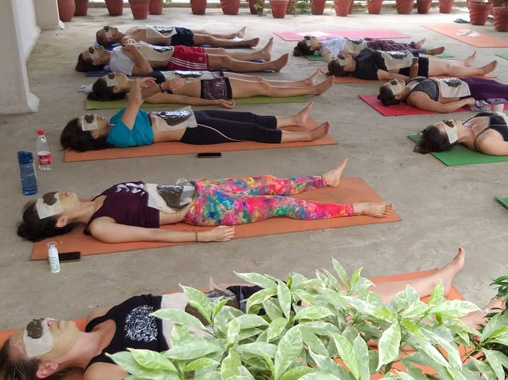
A balanced approach is best. Exercises such as yoga, Pilates, and swimming enhance flexibility and core strength, directly targeting what causes lower back pain in females due to weak or imbalanced muscles. Strengthening the glutes, abdomen, and pelvic floor helps maintain spinal alignment, preventing recurrence.
Warm-ups, stretching, and mindful body mechanics should never be skipped, as they are crucial preventive strategies against what causes lower back pain in females due to muscular stress or poor movement habits.
What Causes Lower Back Pain in Females?
Gynecological and Reproductive Health Factors
Reproductive health plays a fundamental role in understanding what causes lower back pain in females. The reproductive organs—uterus, ovaries, and fallopian tubes—are positioned close to the lumbar spine. Any dysfunction or inflammation in these organs can radiate pain to the lower back.
Menstrual Cycle-Related Pain
Menstrual cramps (dysmenorrhea) are one of the most common examples of what causes lower back pain in females during reproductive years. Uterine contractions triggered by prostaglandins can cause referred pain that travels through the pelvic nerves into the lower back.
Women who experience heavier periods or hormonal imbalances often report more severe discomfort. While temporary, these cyclical pains are an important physiological explanation of what causes lower back pain in females on a monthly basis.
Ovarian Cysts
Ovarian cysts can cause dull, persistent pain on one side of the lower back. The pressure from growing cysts affects surrounding tissues and nerves, creating another layer of what causes lower back pain in female linked to reproductive health.
Endometriosis and Adenomyosis
Both conditions involve abnormal tissue growth in or around the uterus. These tissues bleed during menstruation, causing inflammation and scarring. The result is chronic pelvic and lumbar pain, an advanced medical cause of what causes lower back pain in females that often requires professional treatment.
Chronic Conditions That Influence Female Back Pain
While gynecological issues are one side of what causes lower back pain in females, chronic musculoskeletal or neurological conditions form the other.
Arthritis and Osteoarthritis
These conditions cause joint degeneration in the spine, especially the facet joints. Inflammation and stiffness contribute significantly to what causes lower back pain in females as aging progresses.
Sciatica
This nerve condition occurs when the sciatic nerve—running from the lower back down the leg—becomes compressed or irritated. The radiating pain, numbness, or tingling it causes adds to the complex understanding of what causes lower back pain in females due to nerve compression.
Scoliosis
Women are more likely than men to develop scoliosis, an abnormal sideways curvature of the spine. This uneven posture strains the back muscles, becoming another anatomical factor behind what causes lower back pain in females during adolescence or adulthood.
Fibromyalgia
This chronic pain disorder amplifies pain signals in the brain. Many women with fibromyalgia report persistent stiffness in the lower back, connecting it closely with what causes lower back pain in females from a neurological standpoint.
Prevention Strategies: Building a Stronger Back
Prevention remains the most effective approach to tackling what causes lower back pain in females. A proactive lifestyle, supported by proper posture and self-care, can prevent pain before it begins.
Posture Awareness
Poor posture is one of the most underestimated elements of what causes lower back pain in females. Standing tall, sitting upright with lumbar support, and avoiding slouching can relieve unnecessary spinal tension.
Core Strengthening
A strong core provides stability to the spine. Exercises like planks, bridges, and yoga poses strengthen abdominal and pelvic muscles, addressing what causes lower back pain in females due to weak musculature.
Proper Lifting Techniques
Always lift heavy objects using leg power, not the back. Avoid twisting movements while lifting. Such habits can significantly reduce the causes of lower back pain in females in daily routines.
Healthy Weight Management
Maintaining an optimal body weight reduces pressure on the lower spine. Excess body fat—especially abdominal—alters posture, contributing to what causes lower back pain in females due to mechanical stress.
Ergonomic Adjustments
At work or home, invest in supportive chairs and adjustable desks. A well-designed workspace can prevent the repetitive strain that causes lower back pain in females in modern environments.
Home Remedies and Natural Relief
Many non-invasive remedies can help relieve pain associated with what causes lower back pain in females, particularly when the discomfort is mild to moderate.
Heat and Cold Therapy
Applying a heating pad relaxes tight muscles, while cold packs reduce inflammation. Alternating the two can effectively manage the symptoms of what causes lower back pain in females without medication.
Gentle Stretching and Yoga
Yoga poses like Cat-Cow, Child’s Pose, and Cobra increase flexibility and strengthen spinal muscles. Regular practice helps counter what causes lower back pain in female caused by stiffness or sedentary living.
Massage and Aromatherapy
Therapeutic massage improves blood flow, reduces tension, and supports healing. Using essential oils such as lavender or eucalyptus can enhance relaxation and alleviate the causes lower back pain in females naturally.
Epsom Salt Baths
Soaking in warm water with Epsom salt relaxes sore muscles and promotes magnesium absorption—beneficial for muscle recovery in cases of what causes lower back pain in female after physical exertion.
Medical and Clinical Treatments
When pain becomes chronic or debilitating, professional medical care is necessary to treat the causes of lower back pain in females effectively. The right treatment depends on the underlying diagnosis.
Physical Therapy
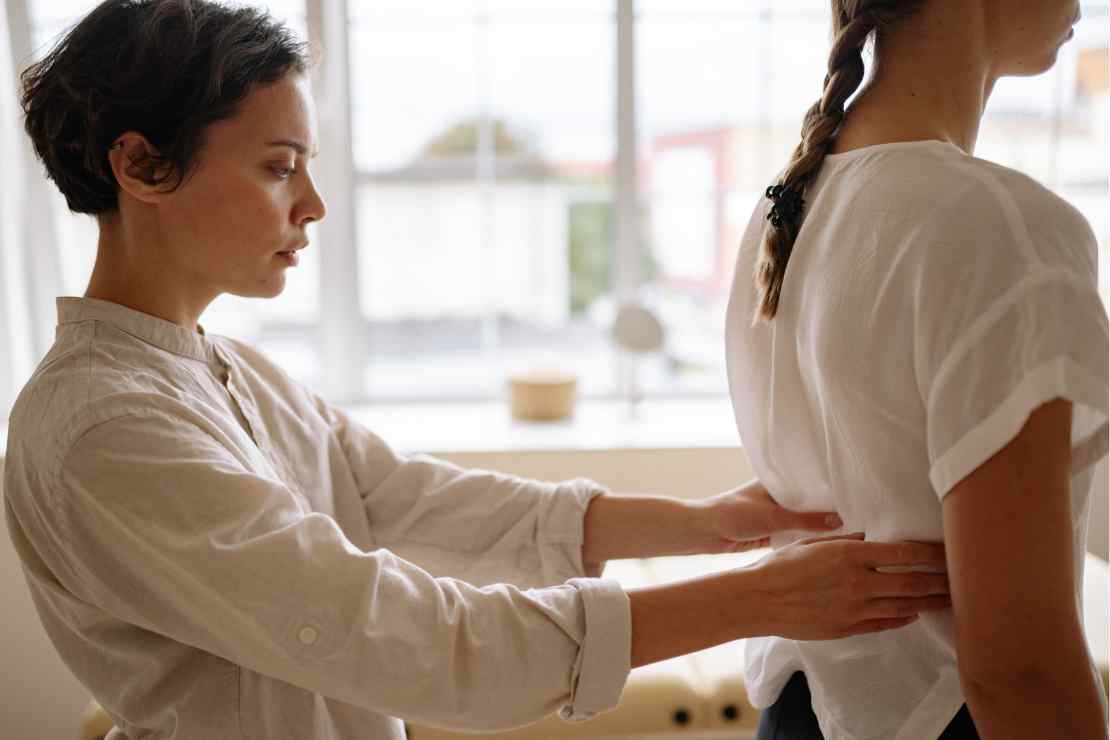
A physiotherapist designs personalized exercises to correct posture, strengthen muscles, and improve mobility. This is among the most effective non-surgical approaches to managing what causes lower back pain in females.
Medication
Over-the-counter pain relievers, anti-inflammatories, and muscle relaxants can provide short-term relief. In severe cases, physicians may prescribe hormonal or nerve-targeting medications to address what causes lower back pain in females.
Imaging and Diagnostics
Doctors often use X-rays, MRIs, or CT scans to determine structural problems such as herniated discs, bone loss, or tumors. Identifying the true source helps clarify what causes lower back pain in females and guides proper treatment.
Injections or Surgical Options
In cases of severe spinal degeneration or nerve compression, epidural injections or surgery may be considered. These procedures address the mechanical and nerve-based components of what causes lower back pain in females when conservative measures fail.
Alternative Therapies
Acupuncture, chiropractic care, and cupping therapy are gaining popularity as holistic methods to treat what causes lower back pain in females. These modalities aim to restore balance and improve energy flow throughout the body.
The Role of Rest and Recovery
Rest is an integral part of healing, but too much inactivity can worsen what causes lower back pain in females. While initial rest may be necessary after injury, prolonged bed rest weakens muscles and delays recovery.
Gentle movement, guided stretching, and active rest promote circulation and healing. Women should balance rest with moderate activity, making it a vital part of managing what causes lower back pain in females sustainably.
What Causes Lower Back Pain in Females?
Long-Term Lifestyle Alignment and Prevention
Sustainable wellness depends on long-term habits that prevent recurrence of what causes lower back pain in females. Adopting a balanced approach to work, exercise, nutrition, and mental health keeps the spine resilient and healthy.
Daily Movement Routine
Consistent, low-impact activity such as walking, swimming, or yoga keeps spinal muscles strong and flexible. Regular movement reduces stiffness and corrects posture—key defenses against what causes lower back pain in females.
Sleep Posture and Mattress Support
Sleeping on an unsupportive mattress or in awkward positions can worsen lumbar strain. Using a medium-firm mattress and sleeping on the side with knees slightly bent helps prevent what causes lower back pain in females overnight.
Mind–Body Balance
Meditation, deep-breathing exercises, and journaling lower cortisol and tension. A calm mind supports physical recovery and reduces inflammation, making mental balance an indirect solution for what causes lower back pain in females.
Routine Check-Ups
Annual gynecological, orthopedic, and general health exams are vital. Early detection of hormonal or structural issues allows timely intervention—crucial for long-term management of what causes lower back pain in females.
Hydration and Nutrition
Water keeps spinal discs hydrated and elastic. Combining proper hydration with nutrient-rich foods supports tissue repair and prevents degeneration associated with what causes lower back pain in females.
Social and Emotional Support
Many women suffer silently, accepting pain as normal. However, awareness and support systems make a profound difference in managing what causes lower back pain in females.
Talking about pain experiences, seeking professional advice, or joining support groups can ease emotional burden. Community engagement builds resilience, offering empathy and motivation to address what causes lower back pain in females holistically.
Emotional support also reduces stress hormones that intensify pain perception, proving that compassion and connection are powerful remedies alongside physical treatments.
Advanced Treatment Innovations
Medical technology has evolved significantly, offering new hope for women struggling with what causes lower back pain in female.
Regenerative Therapies
Platelet-rich plasma (PRP) and stem-cell treatments aim to repair damaged tissues naturally. These cutting-edge methods are redefining approaches to what causes lower back pain in females from within the body itself.
Laser and Nerve-Block Treatments
Minimally invasive laser therapy or nerve-block injections relieve inflammation and nerve pressure. They offer short recovery time, making them promising solutions for chronic cases of what causes lower back pain in females.
Wearable Posture Devices
Smart posture correctors alert users when slouching, promoting spine alignment. As technology merges with healthcare, such innovations redefine how women manage what causes lower back pain in females daily.
Future Outlook
Researchers continue to investigate what causes lower back pain in females with deeper attention to genetics, hormonal biochemistry, and lifestyle interaction. Personalized medicine and artificial intelligence are beginning to predict pain triggers before symptoms appear.
Holistic approaches combining physical, emotional, and environmental care are likely to dominate future treatment philosophies for what causes lower back pain in females, empowering women to live free of chronic discomfort.
Conclusion
In exploring what causes lower back pain in females, one truth stands clear: the female body is a remarkable yet delicate system of balance. From puberty to menopause, women face unique physical and hormonal shifts that deeply affect spinal health.
What causes lower back pain in females cannot be traced to a single reason—it is an intricate combination of anatomy, hormones, posture, stress, and lifestyle. Reproductive milestones like menstruation, pregnancy, and menopause create physiological conditions that reshape the lower back’s stability. When coupled with sedentary habits, emotional strain, and poor ergonomics, the pain intensifies.
However, awareness is the first step toward healing. Understanding what causes lower back pain in females empowers women to take control of their well-being through education and prevention. Proper posture, regular exercise, weight management, and mindful relaxation form the foundation of a healthy spine.
Medical science continues to evolve, offering innovative treatments and diagnostics to uncover deeper causes. Yet, the most effective therapy often begins with daily choices—how one sits, moves, eats, and manages stress.
Ultimately, learning what causes lower back pain in females leads not only to physical relief but also to emotional liberation. By nurturing both body and mind, women can prevent pain from controlling their lives and instead create balance, strength, and freedom.
FAQs
1. What causes lower back pain in females during menstruation?
Uterine contractions and hormonal prostaglandins cause muscle tension radiating to the lower back, explaining what causes lower back pain in females during menstrual cycles.
2. What causes lower back pain in females during pregnancy?
Increased weight, hormonal relaxin, and postural changes create spinal stress, clearly defining what causes lower back pain in females throughout pregnancy.
3. What causes lower back pain in females after menopause?
Estrogen decline weakens bones and joints, leading to osteoporosis and disc degeneration—key explanations for what causes lower back pain in females post-menopause.
4. What causes lower back pain in females after sitting for long hours?
Prolonged sitting weakens core muscles, compresses spinal discs, and leads to poor posture, which explains what causes lower back pain in females in office environments.
5. What causes lower back pain in females even without injury?
Hormonal changes, emotional stress, or internal conditions like endometriosis often explain what causes lower back pain in females, even when no external injury exists.