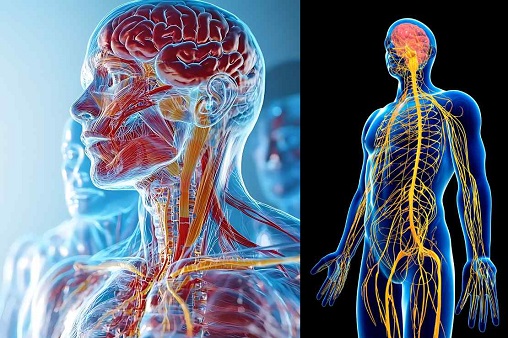
The Yoga Sutra of Patanjali stands as one of the most profound spiritual texts in history. Within its concise yet powerful verses lies a complete roadmap to understanding the nature of the mind and the essence of the Self. Among its most critical teachings is Yoga Sutra 1.4: Vritti Sarupyam Itaratra, which addresses how human awareness identifies with thought patterns rather than its true essence.
Literal Translation of Vritti Sarupyam Itaratra
The Sanskrit phrase Vritti Sarupyam Itaratra translates as:
“At other times, the Seer identifies with the fluctuations of the mind.”
- Vritti (वृत्ति): mental modifications, thoughts, emotions, perceptions.
- Sarupyam (सारूप्यं): identification or taking the form of.
- Itaratra (इतरत्र): at other times or otherwise.
Patanjali’s teaching is clear: when the mind is not still, consciousness mistakenly takes the shape of mental activity. Instead of resting in its own pure state, the Seer (Purusha) becomes entangled in temporary thoughts.
The Seer and Its Mistaken Identity
The Yoga Sutra defines the Seer as pure awareness—the witness beyond body and mind. Yet, Vritti Sarupyam Itaratra shows how the Seer forgets its true nature. In moments of distraction, it fuses with mental modifications. A joyful thought leads to joy, an angry thought sparks anger, and fear triggers restlessness.
This constant identification creates the illusion that the Self is changing. In truth, the Self is unchanging, eternal, and luminous. The fluctuations belong only to the mind, not to pure awareness.
Classical Commentary on Yoga Sutra 1.4
Ancient commentators like Vyasa explained that Vritti Sarupyam Itaratra highlights the danger of confusion between the Seer and the seen. The Seer is pure consciousness, yet when vrittis dominate, it appears clouded.
Philosopher I.K. Taimni compared the Seer to a glowing bulb beneath water. If the water is calm, the bulb shines clearly. When disturbed, ripples distort the light. Similarly, when the mind is still, the Self is seen. When the mind is restless, the Self appears hidden.
Modern Interpretations
Contemporary teachers like Osho expand on Sutras 1.3 and 1.4 together. He emphasized the contrast: when the mind is still, the witness shines; when restless, identification occurs. According to Osho, misery arises from mistaken identity, while liberation begins when awareness returns to its source.
Thus, Yoga Sutra 1.4 is not simply philosophy—it is a practical mirror reflecting human struggles and their solutions.
Psychological Meaning of Vritti Sarupyam Itaratra
In psychological terms, Vritti Sarupyam Itaratra shows how identity forms from thoughts. A person caught in anger acts as though anger is the self. A person lost in desire behaves as if desire defines them. This merging leads to suffering, confusion, and instability.
The Yoga Sutra teaches that thoughts are temporary. They arise, exist briefly, and dissolve. Awareness remains constant. By realizing this, one reduces suffering and experiences freedom.
Practical Application in Daily Life
Patanjali’s wisdom is not abstract—it is a practical guide. To apply Yoga Sutra 1.4: Vritti Sarupyam Itaratra:
- Observe Thoughts: Sit quietly and watch each vritti arise.
- Detach: Remember, “This is not me. This is passing.”
- Return to Breath: Anchor awareness in breath or mantra.
- Witness: Let thoughts move like clouds across the sky.
- Reflect: Notice how awareness remains untouched.
With practice, the Seer shines through, steady and clear. The Yoga Sutra assures that regular awareness of Vritti Sarupyam Itaratra transforms reactivity into calm presence.
The Role of Asana and Meditation
Though many equate yoga with physical postures, Patanjali emphasized the inner journey. Asanas steady the body, but meditation stills the mind. When the mind rests, the Seer reveals itself. Yoga Sutra 1.4 becomes an experienced truth rather than an intellectual idea.
Samsara and Identification
The Yoga Sutra aligns with broader Vedic teachings of samsara—the cycle of birth, death, and rebirth caused by attachment and misidentification. Vritti Sarupyam Itaratra explains how this cycle deepens. Every identification with thought binds the soul further. Liberation begins the moment awareness refuses to merge with mental fluctuations.
Why Yoga Sutra 1.4 Matters Today
Modern life brings constant distractions—social media, stress, and endless information. Vritti Sarupyam Itaratra provides timeless guidance: you are not your thoughts. You are the Seer observing them.
By applying this, people discover clarity, peace, and freedom from over-identification. The Yoga Sutra continues to illuminate paths to inner harmony even in today’s busy world.
Conclusion
Yoga Sutra 1.4: Vritti Sarupyam Itaratra is a reminder of the mind’s power and its potential to trap awareness in endless fluctuations. Yet, it also offers the key to freedom. By stepping back, witnessing, and practicing regularly, the Seer shines through—unchanging, peaceful, and eternal.
Patanjali’s Yoga Sutra continues to inspire seekers today, offering not only a philosophy of life but a lived experience of clarity and liberation.
FAQs
1. What does Vritti Sarupyam Itaratra mean in simple words?
It means when the mind is active, the Self mistakenly identifies with thoughts, losing awareness of its true nature.
2. How is Yoga Sutra 1.4 relevant in daily life?
It teaches that stress and suffering arise when you become your thoughts. By witnessing them, you return to calm awareness.
3. Does Vritti Sarupyam Itaratra reject emotions?
No. It does not deny emotions but reminds us not to fuse with them. Awareness can witness emotions without losing itself.
4. How can I practice Yoga Sutra 1.4 daily?
Start by observing thoughts during meditation. Repeat the phrase Vritti Sarupyam Itaratra mentally when distractions appear. Use breath to return to presence.
5. What is the ultimate goal of understanding this sutra?
The goal is Self-realization. Through Yoga Sutra 1.4, the Seer rests in pure awareness, free from mental fluctuations and false identity.